

S&P Global Ratings has cut its forecast for China’s property sales in 2026, just two months into the year.
On Sunday, the agency projected that primary real estate sales could fall between 10% and 14%, a significant downgrade from the 5% to 8% decline it had anticipated in October 2025.
Analysts noted that the slump is so deep that only government intervention could absorb the surplus inventory. While authorities could purchase unsold properties to create affordable housing, S&P said current efforts remain limited and piecemeal.
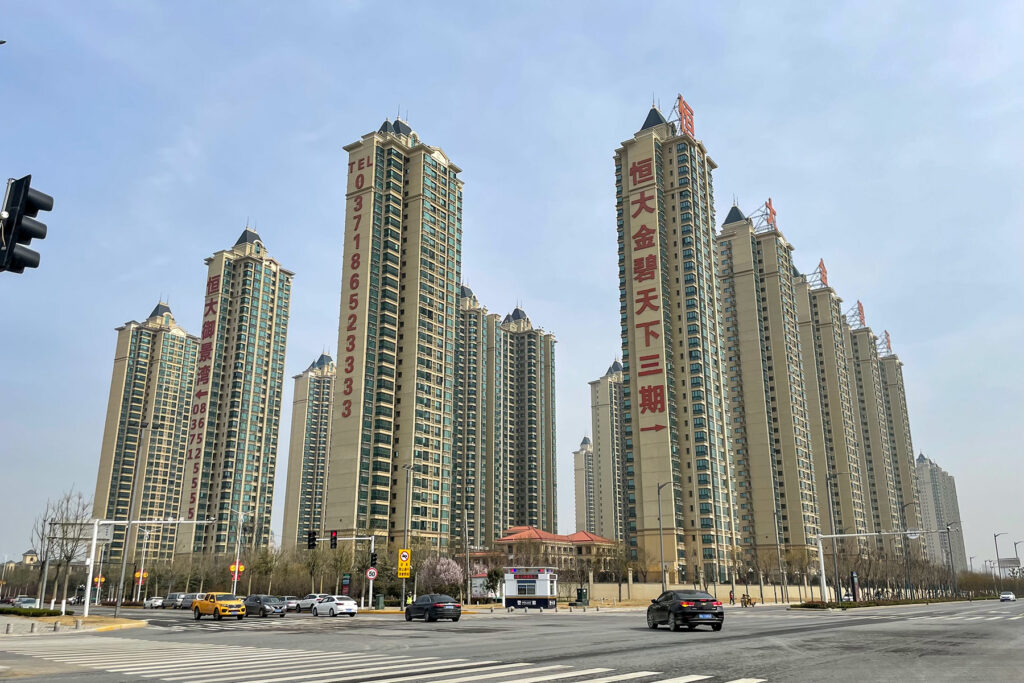
Once representing over a quarter of China’s economy, the property sector has seen annual sales shrink by half over the past four years. The downturn began after Beijing cracked down on developers’ heavy reliance on debt to fuel growth, and consumer demand has yet to rebound.
Despite warnings of overbuilding, developers have continued construction, resulting in a sixth consecutive year of completed yet unsold homes. According to S&P, this oversupply is preventing a recovery and is expected to push prices down another 2% to 4% in 2026, following similar declines last year.
“Falling prices undermine buyer confidence, creating a vicious cycle that is difficult to break,” the report said.
S&P highlighted that the situation has worsened in major cities. In the fourth quarter of 2025, home prices in Beijing, Guangzhou, and Shenzhen fell by at least 3%, while Shanghai was the only large city to see growth, rising 5.7% year-on-year. These declines challenge the notion that these urban markets could spearhead a broader property recovery.
The slump intensified throughout 2025. In May, S&P predicted a 3% drop in new home sales, which it revised to 8% in October. Actual sales fell 12.6% to 8.4 trillion yuan ($1.21 trillion), less than half the 18.2 trillion yuan recorded in 2021, heightening pressure on struggling developers.
S&P warned that if sales fall 10 percentage points below its baseline this year and next, four out of the ten Chinese developers it tracks could face downward rating pressure. This does not include China Vanke, one of the country’s largest developers, which requested a delay on some debt repayments late last year.
Meanwhile, Chinese authorities have yet to introduce substantial new support for the property sector, opting instead to focus on advancing high-tech industries. A report last month from U.S.-based Rhodium Group suggested that China’s push into technology is insufficient to offset the property market slump, leaving the economy increasingly reliant on exports and vulnerable to trade tensions.
Top policymakers are expected to announce the nation’s economic targets for 2026 at an upcoming parliamentary session next month.