

Botswana is considering increases to corporate and personal income taxes in an effort to offset declining diamond revenues and reduce a growing budget shortfall, based on proposals presented to parliament this week.
In response to declining diamond income and a growing fiscal gap, Botswana is moving to increase both corporate and personal income taxes, according to budget proposals laid before parliament this week.
Under plans from the Ministry of Finance, the corporate tax rate would be lifted by 2.5 percentage points to 24.5%, while the highest personal income tax band would also rise by the same margin to 27.5%.
Figures released on Tuesday show the budget shortfall is projected to reach 8.9% of gross domestic product well above the 4% limit set under the country’s fiscal framework, Bloomberg reported. Finance Minister Ndaba Gaolathe said stronger domestic revenue mobilisation is essential for effective public service delivery. He stressed that taxation should be seen as a shared contribution to national development rather than a penalty.
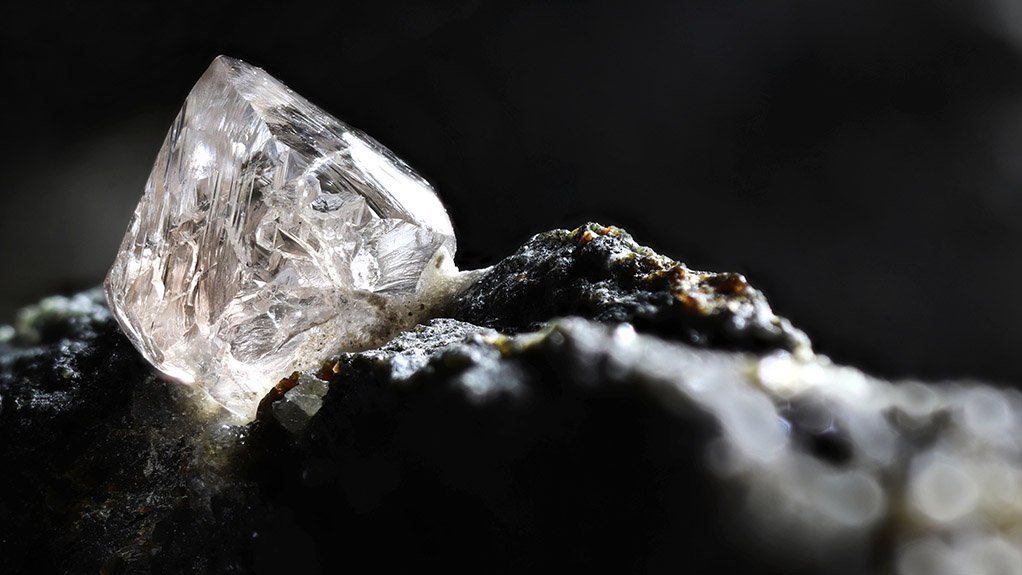
Synthetic diamonds hit demand
Botswana, formerly the world’s top diamond producer by value, has faced weakening global demand since 2023, partly due to the growing acceptance of lab-grown stones.
As conditions in the diamond market tighten, authorities have sought improved access to the United States Botswana’s largest export destination in an effort to support diamond sales. At the same time, the country has been strengthening economic and diplomatic ties with Russia while discussions with Washington continue over possible relief from diamond-related tariffs.
Currently, diamonds mined, cut, and polished in Botswana attract a 15% import duty in the U.S., while rough stones face a 37% tariff. Diamonds mined in Botswana but processed in countries such as India can be subject to duties of up to 50%.
At the height of the sector’s boom, rough diamonds contributed roughly one-third of government revenue and generated the majority of the country’s foreign exchange earnings.
Debswana Diamond Company, the nation’s largest producer, has scaled back production and cut costs in response to the downturn and does not anticipate a quick market recovery. “For 2026, we still expect conditions to remain tight,” Debswana CEO Andrew Maatla Motsomi said.
Looking ahead, mineral revenues are expected to make up about 16% of state income in the next fiscal year, while non-mineral taxes and value-added tax are projected to account for around 45%, the finance minister noted.
Lawmakers are expected to take up debate on the proposed tax measures during the current parliamentary session.