

Italy’s Eni and the UK’s BP have announced a new offshore oil find in Angola, estimated at 500 million barrels, bolstering the country’s push to expand crude output amid ongoing production challenges and changing global energy dynamics.
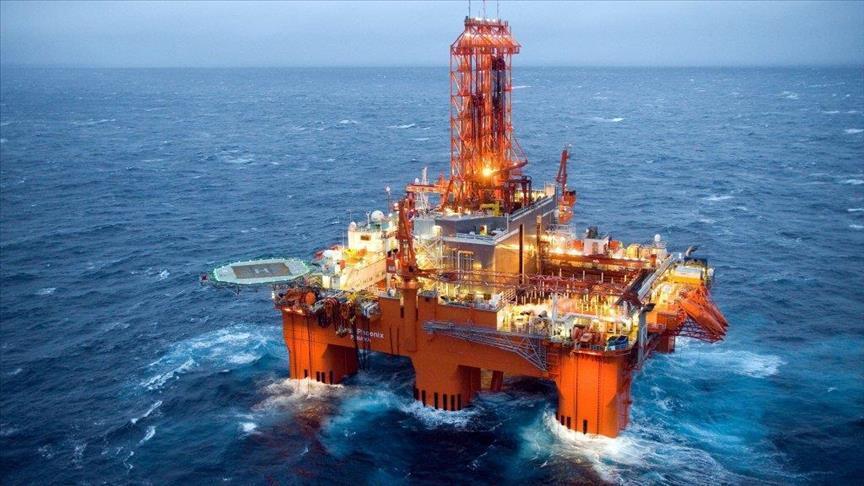
Italy’s Eni and the UK’s BP have confirmed a significant oil find off Angola’s coast, estimated at 500 million barrels. The discovery occurred at the Algaita-01 exploration well in Block 15/06, roughly 18 kilometres from the Olombendo FPSO vessel in the country’s Lower Congo Basin. Early assessments indicate the reservoir contains about 500 million barrels of oil in place.
Drilling began on January 10, 2026, with the Saipem 12000 drillship operating in 667 metres of water. The well encountered oil-bearing sandstones across multiple Upper Miocene layers. Eni noted that a detailed data collection campaign, including fluid sampling, confirmed the quality of the reservoir and its hydrocarbon characteristics.
Joe Murphy, CEO of Azule Energy, said the results demonstrate the “exceptional performance of the petroleum system in Block 15/06,” adding that proximity to existing infrastructure enhances development prospects. Block 15/06 is operated by Azule Energy, a 50/50 joint venture between Eni and BP, with Sonangol E&P and SSI Fifteen Limited holding stakes of 36.84% and 26.32%, respectively.
Angola’s Oil Production Context
Angola has proven reserves of around 8 billion barrels, ranking it among Africa’s largest producers and a notable player globally. However, production has fallen over the past decade as offshore fields mature, averaging roughly 1.1 million barrels per day compared with peaks exceeding 1.8 million bpd in the late 2000s. Oil accounts for over 90% of the country’s export revenues and about a third of GDP, making new discoveries essential for economic stability. The Algaita-01 find aims to offset natural production declines and support sustained output.
The country left OPEC’s quota system in 2023 following disputes over production limits, highlighting structural challenges in its upstream sector.
Key Export Destinations
China remains Angola’s largest customer, taking 40–50% of shipments, with refiners processing grades such as Girassol, Dalia, and Cabinda, which are suitable for diesel, gasoline, and petrochemical production. India has also increased imports in recent years to diversify supply, while European countries, including Spain and the Netherlands, purchase Angolan crude to balance refinery needs for transport fuels and jet fuel.
Regional Implications
The discovery could affect competition among Africa’s top oil producers. Nigeria continues to face output limitations due to underinvestment and theft, Libya’s production remains unstable because of political unrest, and Algeria is largely focused on gas exports despite a significant crude sector. If Angola develops the new field using infrastructure near the Olombendo FPSO, it could maintain its continental ranking and strengthen its position in the global oil market.
Paulino Jerónimo, CEO and Chairman of the Angolan National Agency of Petroleum, Gas and Biofuels, said the find “confirms the high potential of the Lower Congo Basin and the effectiveness of ongoing exploration efforts,” noting it offers favourable conditions for rapid monetisation and positive effects on national production and government revenues.