

Nigeria and Angola have formalised a visa waiver agreement for holders of diplomatic and official passports, marking a significant step toward closer continental collaboration.
The deal was announced by Nigeria’s Foreign Affairs Minister, Yusuf Maitama Tuggar, on the margins of the 39th African Union Assembly in Addis Ababa.
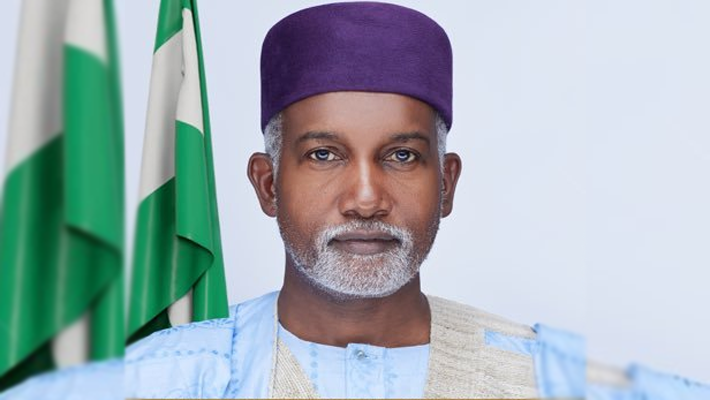
Describing the move as a breakthrough, Tuggar said the waiver eliminates long-standing bureaucratic obstacles and enables quicker, more seamless diplomatic engagement between both countries. He added that the agreement reflects a shared commitment to transform historical goodwill into concrete cooperation.
Relations between the two nations date back to the era of Africa’s liberation struggles and have since evolved into broader economic and political partnerships.
Angola remains one of Africa’s leading oil producers, with petroleum contributing over 90% of export earnings and forming the backbone of government revenue. The country frequently competes with Nigeria for top production levels in sub-Saharan Africa, exporting largely to China, India, and several European markets a position that underscores its global energy relevance.
The visa waiver is expected to enhance coordination in trade, security, and regional policy alignment, particularly as both nations play influential roles within the African Union.
The Case for Visa Liberalisation in Africa
Analysts argue that the agreement reflects a broader push toward easing travel restrictions across the continent. Countries like Ghana have adopted relatively open visa systems to encourage business, education, and official exchanges.
By reducing administrative barriers, such arrangements allow governments to respond more swiftly to shared priorities. For Nigeria, the waiver simplifies engagement with one of southern Africa’s largest economies. Angola, on the other hand, benefits from smoother access to West Africa’s biggest market.
Observers say reciprocal visa liberalisation can serve as a catalyst for trade expansion, stronger diplomatic alignment, and investment growth. It also supports the long-term objectives of the African Union’s Agenda 2063, which prioritises integration and economic transformation.
Ultimately, the Nigeria–Angola agreement illustrates how practical policy steps such as easing official travel can strengthen regional unity and convert diplomatic goodwill into measurable progress.