

Zimbabwe will remain under the European Union’s arms embargo for another year, with the restrictions extended until February 2027 after the bloc’s annual sanctions review.
The European Union first imposed sanctions on Zimbabwe in February 2002 in response to widespread human rights abuses under former President Robert Mugabe, including restrictions on freedom of expression, association, and peaceful assembly. Mugabe resigned following a military intervention in 2017 and passed away two years later.
The sanctions prohibit the sale, supply, or transfer of military equipment and related technical assistance to Zimbabwe. Since their initial imposition, the embargo has been periodically renewed, most recently extended beyond its original expiration date of February 20, 2026.
In a statement, the European Council said the EU remains “constructively engaged” with Zimbabwe and seeks to strengthen bilateral ties, particularly in trade and investment. Most of the restrictive measures, including asset freezes and travel bans, have been lifted, as no individuals or entities currently remain on the sanctions list. Zimbabwe Defence Industries, previously the last listed entity, was removed last year.
By contrast, the United States has maintained a stricter stance. In 2024, it added President Emmerson Mnangagwa to its Global Magnitsky sanctions list over alleged abuses following his contested election victory.
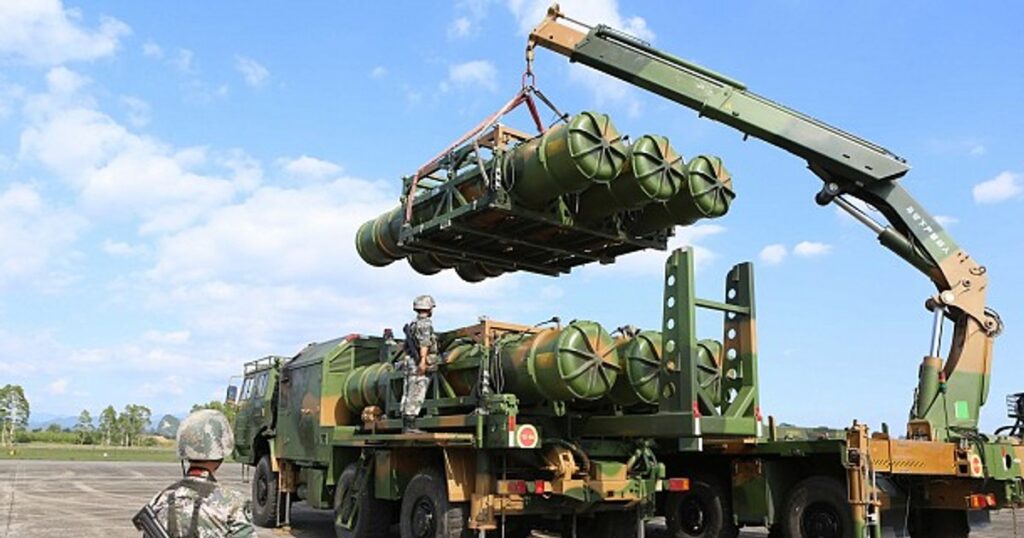
Faced with Western restrictions, Zimbabwe has turned to alternative arms suppliers. China has been a major source, providing over a third of Zimbabwe’s major weapons imports between 1980 and 2009. In 2023, Beijing donated military equipment worth 200 million yuan ($28 million) to help modernize Zimbabwe’s armed forces and support security operations.
Russia has also become a key partner, supplying arms, ammunition, and spare parts, with significant imports reported in recent years.