

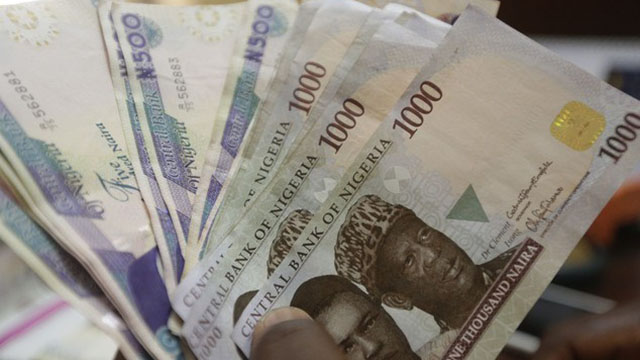
At the height of its 2024 currency turmoil, Nigeria’s inflation climbed past 30 per cent. Following exchange-rate reforms, the naira depreciated by over 60 per cent, plunging from about N460 to the dollar to more than N1,500 at its lowest point.
Across Africa, some currencies are beginning to regain stability, yet the legacy of past crises continues to shape daily life.
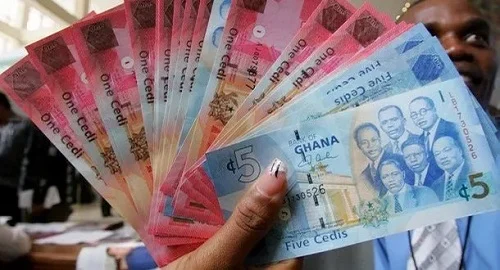
Ghana’s cedi experienced repeated double-digit declines before rebounding sharply in 2025, rising over 40 per cent against the US dollar to become the continent’s top-performing currency. Meanwhile, Nigeria’s inflation has slowed to 15.10 per cent by early 2026, and the naira has recovered somewhat, trading around mid-N1,300 with a smaller gap between official and parallel exchange rates. Zimbabwe, on the other hand, is still grappling with the lingering effects of hyperinflation.
Despite these improvements, the reality on the ground tells a different story. In major cities such as Lagos, Accra, Nairobi, and Harare, everyday expenses rents, property prices, school fees, and professional services remain closely tied to the US dollar. Sellers often peg prices to the dollar, even if payments are made in local currency, while wages continue to be denominated in naira, cedis, or shillings. As a result, the middle class continues to shoulder exchange-rate risk, absorbing fluctuations directly into household budgets.

In Nigeria, high-end real estate in cities like Abuja and Lagos is still routinely quoted in dollars. Landlords defend this approach as a hedge against currency volatility. Tenants who pay in naira often have their payments pegged to the prevailing parallel-market rate. For example, Tunde Fasakin, a marketing professional in Abuja, noted that a two-week short-let apartment in Lagos could cost $18,000, while his income is entirely in naira. For property owners, dollar pricing preserves value; for salaried workers, it shifts the risk of currency swings onto households, leaving lingering impacts from past depreciation.
Ghana tells a similar story. Authorities have repeatedly cautioned against pricing in foreign currency to protect the cedi, and as the local currency strengthened, overt dollar pricing fell in some sectors. Yet the underlying habit persists. Businesses may quote prices in dollars while accepting payment in cedis, converting amounts based on their preferred rate. As researcher Roselena Ahiable explains, a property listed at $300,000 may be transacted for three or four million cedis depending on the seller’s rate. The currency may appear local, but the benchmark often remains dollar-based.
Zimbabwe illustrates how entrenched this behaviour can become. Years of hyperinflation destroyed confidence in local currency, embedding the US dollar in everyday transactions from groceries to rent. Even with the introduction of the new ZiG currency, the dollar continues to dominate, showing how difficult it is to reverse dollarisation once trust in local money collapses.
In Kenya, dollar pricing is most evident in tourism, where safaris, park fees, and luxury hotels catering to international clients are quoted in foreign currency.
Although the Kenyan shilling has stabilised, sectors exposed to foreign demand continue to rely on dollar benchmarks.
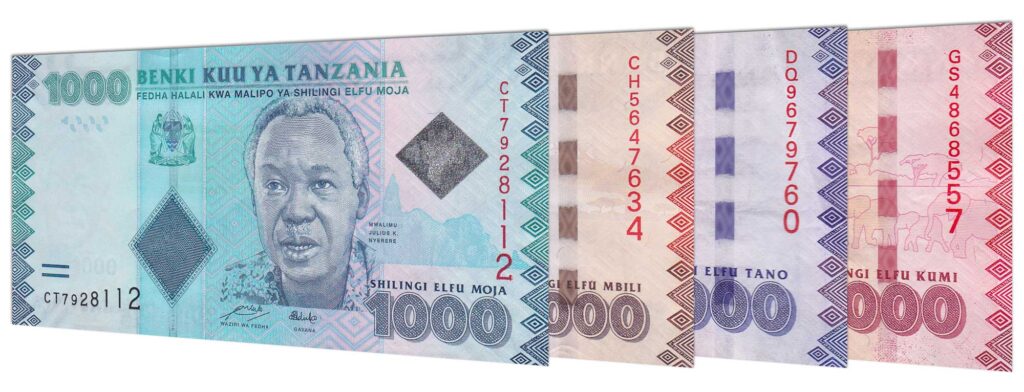
Tanzania and Zambia have introduced legal restrictions on domestic foreign-currency transactions, including fines and penalties, yet the behavioural pattern remains consistent: when local currencies weaken, economic actors turn to more stable alternatives.
The main beneficiaries of dollar pricing are exporters and businesses earning foreign exchange. Salaried workers, however, bear the cost. When rent, tuition, or other essentials are tied to the dollar, any local currency depreciation immediately increases living costs without a corresponding rise in wages. Households often respond by holding savings in foreign currency, cutting discretionary spending, delaying property purchases, or deferring long-term investments. Those without access to hard currency absorb the risk directly, exacerbating inequality between households with and without foreign-exchange income.
Central banks face a broader challenge than mere exchange-rate volatility they confront credibility issues. When citizens price goods and services in foreign currency, it reflects deep concerns over inflation, exchange-rate swings, and the purchasing power of local money, as economist Paul Alaje notes. This behaviour accelerates dollarisation and weakens monetary policy, making interest-rate adjustments less effective and diminishing the central bank’s ability to manage liquidity or anchor inflation expectations.
Over time, these effects compound: transaction costs rise, inequality widens, asset valuations become distorted, and economic stability increasingly relies on external currency inflows rather than domestic productivity. Stabilising inflation is only the first step; restoring trust in national currencies is far more challenging.
Dollar pricing will only fade when households and businesses are confident that their local money can reliably serve as a store of value, a unit of account, and a medium of exchange.
Until that trust is rebuilt, even in calmer macroeconomic conditions, the dollar will continue to shape contracts, savings decisions, and high-value transactions.