

Nigeria lost an estimated $2.3 billion to $3.3 billion to post-harvest losses in 2025, highlighting major structural flaws in the nation’s agricultural storage and distribution network, industry figures indicate.
Data from the Organisation for Technology Advancement of Cold Chain in West Africa indicates that Nigeria recorded massive post-harvest losses in 2025, with between 30 and 40 million metric tonnes of food wasted across key agricultural value chains.
The organisation’s president, Alexander Isong, disclosed in an interview with the News Agency of Nigeria that the losses were valued at roughly ₦3.5 trillion to ₦5 trillion.
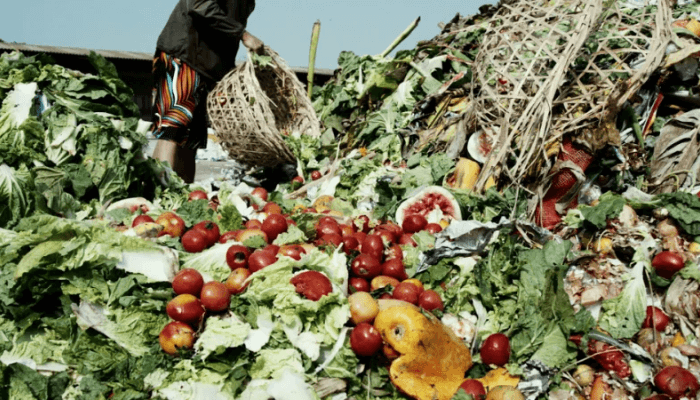
According to him, much of the wasted produce had already been grown and moved through parts of the supply chain before being lost due to systemic inefficiencies. Tomatoes, fruits, vegetables, dairy products, meat, and fish were among the hardest affected commodities.
For Africa’s most populous country, the economic impact is severe, particularly as food inflation and supply bottlenecks continue to strain households. Based on current exchange rates, the losses in naira equate to approximately $2.3 billion to $3.3 billion.
Isong stressed that post-harvest waste goes beyond farming challenges, describing it as a broader infrastructure and economic issue. Farmers, he noted, often commit substantial resources to production and transport, only for goods to spoil because of inadequate preservation systems.
He warned that without certified cold chain facilities, food prices would remain high, farmers’ earnings would be pressured, and the country’s export potential would remain limited.
In his additional role as Nigeria’s country director for the World Agriculture Forum, Isong characterised cold chain development as the crucial bridge between farm output and economic returns.
Industry experts are now urging a coordinated national strategy focused on refrigerated logistics, central aggregation centres, and scalable cold storage solutions.
Analysts believe that addressing these gaps could preserve billions of dollars within Nigeria’s food sector while strengthening food security across the wider region.