

The United States has launched a review of Nigeria’s compliance with international religious freedom standards, following persistent attacks on Christians across the country.
Led by Riley Moore, US Representative for West Virginia’s 2nd district, and Chris Smith, Chairman of the House Foreign Affairs Africa Subcommittee, the initiative introduced the Nigeria Religious Freedom and Accountability Act of 2026, aimed at curbing religious persecution.
Moore described the scale of the crisis: Christians have endured church burnings, village destruction, and mass killings while the global community largely remained silent. During his visit to Nigeria, he observed firsthand the threats facing Christian communities and broader national security challenges.
The investigation highlighted Sharia and blasphemy laws as tools that enable attacks on Christians and recommended their complete repeal. Moore also suggested a US–Nigeria security partnership to protect vulnerable communities and disrupt jihadist networks.
Lawmakers proposed sanctions and visa restrictions against individuals promoting violence and recommended withholding some US aid until the Nigerian government takes demonstrable steps to curb attacks.
The repeal of Sharia laws is expected to spark strong opposition among Nigeria’s Muslim population, intensifying religious sensitivities. Currently, such laws exist in up to twelve northern states and are reportedly used to target minorities, suppress dissent, and justify convictions without due process.
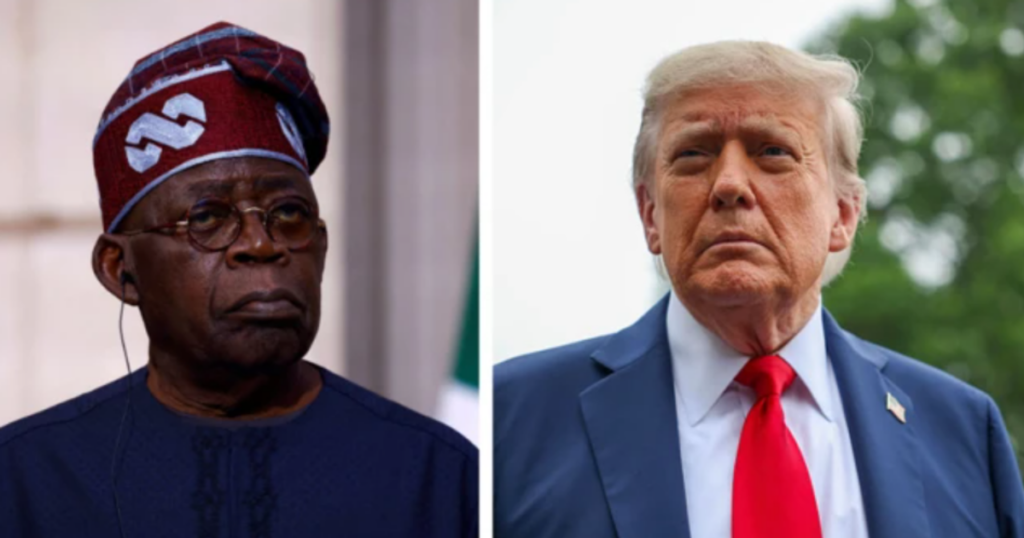
US concern over Nigeria’s religious violence has grown into a diplomatic issue. In late 2025, President Trump re-designated Nigeria as a Country of Particular Concern, carried out an airstrike on a terrorist base in Sokoto, and warned of further aid restrictions if protections for vulnerable communities were not strengthened.
US senators continue to call for penalties, visa bans, and a bilateral security agreement, while diplomats raise accountability concerns in international forums such as the United Nations.