

Tensions have escalated after Hungary claimed that Ukraine is interfering with its access to Russian oil, prompting the deployment of troops to safeguard vital energy infrastructure. The dispute comes as Prime Minister Viktor Orbán intensifies his focus on energy security and national sovereignty ahead of April’s parliamentary elections.
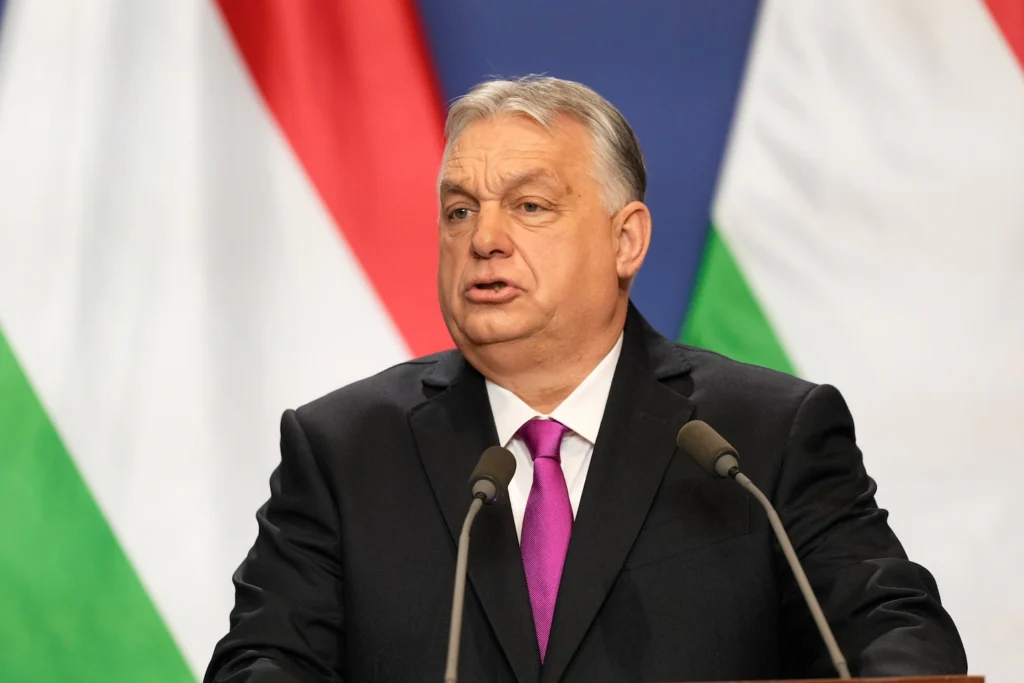
On Wednesday, Orbán alleged that Kyiv had effectively placed Hungary under an “oil blockade” by failing to reopen the Druzhba pipeline, which delivers Russian crude to Hungary and neighboring Slovakia. Ukrainian authorities shut down the pipeline last month, citing damage from a Russian attack. However, Budapest argues that the continued closure is politically motivated rather than due to technical repairs.
Speaking after a meeting of Hungary’s Defence Council, Orbán said Ukraine was using energy supplies as leverage against both Hungary and Slovakia. He further claimed that additional steps aimed at undermining Hungary’s energy system were being prepared, though he did not provide supporting evidence.
In response, the Hungarian government has reinforced security at strategic facilities. Soldiers and necessary equipment are being positioned near major energy sites, while police patrols have been increased around power plants, distribution hubs, and control centers. Drone activity has also been prohibited along Hungary’s northeastern border with Ukraine.
Kyiv has not publicly addressed the accusations. Media outlets have sought comment from Ukraine’s foreign ministry.
The sharper rhetoric emerges as Hungary approaches a closely contested parliamentary vote scheduled for April 12. Orbán’s conservative Fidesz party is reportedly trailing in several independent polls, while former party member turned opposition figure Péter Magyar is gaining support among voters.
Strained ties between the two countries extend beyond the pipeline dispute. Disagreements over energy policy, European Union sanctions, and the ongoing war have deepened divisions. Despite the EU’s push to curb or fully eliminate Russian energy imports, Hungary and Slovakia have continued purchasing Russian oil and gas, arguing that affordable supplies are essential for their economies.
Relations with Moscow also add complexity. Orbán and Slovak Prime Minister Robert Fico have maintained comparatively cordial ties with Russian President Vladimir Putin, in contrast to their strained interactions with Ukrainian President Volodymyr Zelenskyy.
In a Facebook post on Thursday, Orbán published an open letter accusing Zelenskyy of attempting to pressure Hungary into becoming directly involved in the conflict between Ukraine and Russia.
Hungary and Slovakia have repeatedly resisted additional EU sanctions against Moscow since Russia’s 2022 invasion of Ukraine. This week, both governments blocked another proposed package of measures, linking their objections to the suspension of oil flows through the Druzhba pipeline a Soviet-era network whose name translates to “Friendship.”
Their positions have fueled friction with Brussels, with both countries accusing EU institutions of disregarding their energy security concerns.
Hungarian Foreign Minister Péter Szijjártó escalated the rhetoric further, alleging that Europe had ignored what he described as Ukraine’s involvement in acts of sabotage targeting Russian-European energy links, including the destruction of the Nord Stream gas pipelines connecting Russia and Germany. While Ukraine has denied responsibility for damage to one of the pipelines, German investigators have indicated that Ukrainian suspects were implicated.
Szijjártó argued that those obstructing oil deliveries via the Druzhba pipeline were the same actors behind the Nord Stream explosions, though he did not present evidence to substantiate the claim.