

On Monday, Malaysia’s lower parliamentary chamber failed to approve a constitutional change intended to restrict the prime minister to two terms in office.
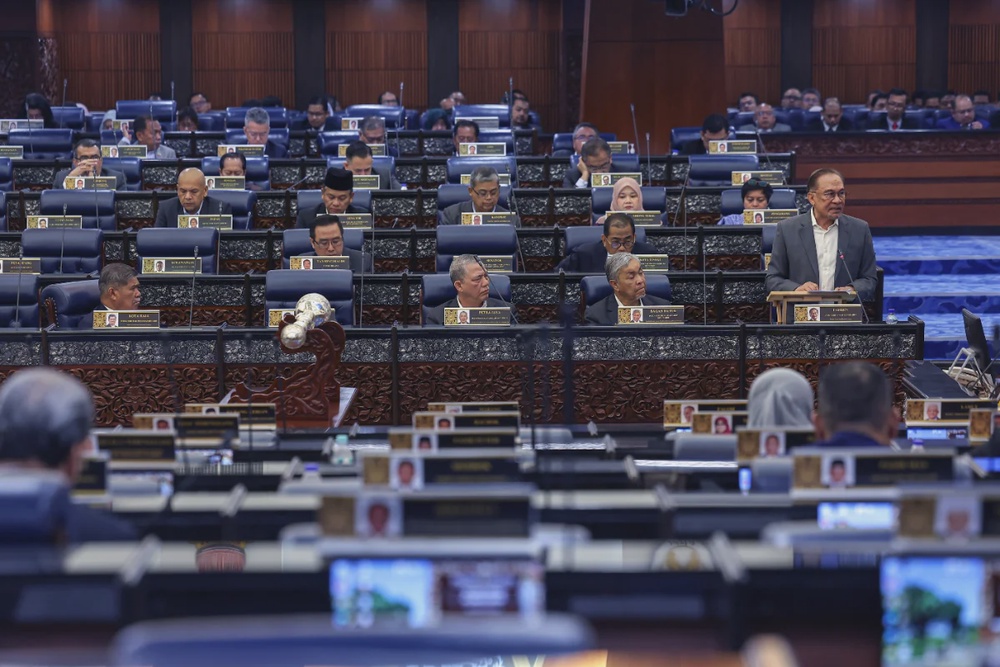
The vote was marked by significant abstentions, with 146 legislators supporting the amendment falling two votes short of the required two-thirds threshold while 44 chose not to vote and 32 were absent.
The amendment, which would have limited an individual’s service as prime minister to a maximum of 10 years, was part of Prime Minister Anwar Ibrahim’s broader reform program. Law Minister Azalina Othman Said defended the proposal, saying it would enhance institutional checks and prevent excessive accumulation of executive power, countering opposition concerns that it might reduce the king’s authority.
Pressure has mounted on Anwar, who assumed office in 2022, as critics accuse his administration of lagging on promised reforms. Despite the bill’s rejection, he affirmed plans to continue with other initiatives, including the introduction of an ombudsman law later this year.
In addition, lawmakers are expected to debate another measure aimed at separating the roles of attorney general as government legal adviser and public prosecutor. Some members of Anwar’s party have raised worries that the proposed changes could concentrate too much authority within the new office.