

Instability in the Middle East is beginning to disrupt trade flows, push up global energy costs, and stir volatility in financial markets, the International Monetary Fund (IMF) has cautioned.
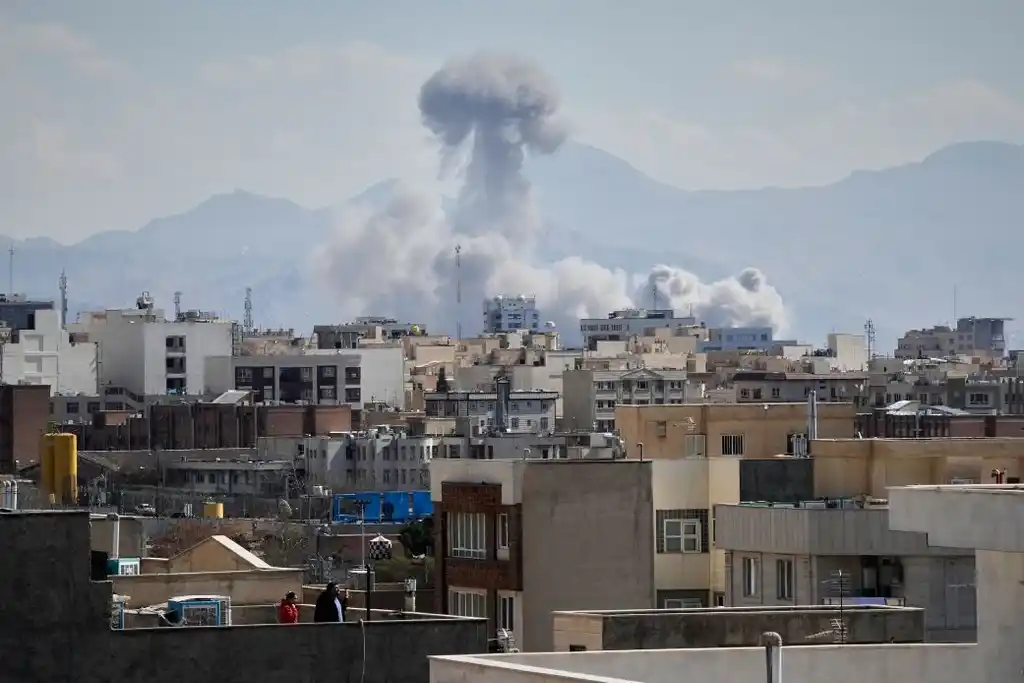
A statement from the Fund highlighted that it is closely monitoring the region as the ongoing conflict adds layers of uncertainty to an already fragile global economic landscape.
Early signals from markets indicate interruptions to trade and economic activity, coupled with rising oil and gas prices, which could place extra pressure on inflation and growth in multiple countries, the IMF said.
Officials in Washington stressed that it is still too soon to fully measure the economic fallout of the tensions on the Middle East or the wider global economy.
“The situation is highly fluid,” the Fund noted, adding that the overall impact will hinge on the conflict’s intensity, duration, and effects on supply chains, energy markets, and investor confidence.
Investors are already reacting to the uncertainty, with global financial markets showing volatility amid concerns that prolonged unrest could disrupt energy supplies and trade.
Economists point out that the Middle East serves as a crucial hub for energy production and shipping, meaning ongoing tensions could influence oil prices and inflation trends worldwide, particularly for countries reliant on imported energy.
Several governments and international organizations are assessing the potential economic risks as geopolitical instability continues to shape global market sentiment.
The IMF plans to release a more detailed analysis of the situation in its upcoming April edition of the World Economic Outlook, which will provide updated forecasts for global growth and inflation.