

Dangote Cement’s operations in Cameroon experienced a 14.1% decline in sales in 2025, according to the company’s audited financial statements reviewed by Business in Cameroon.
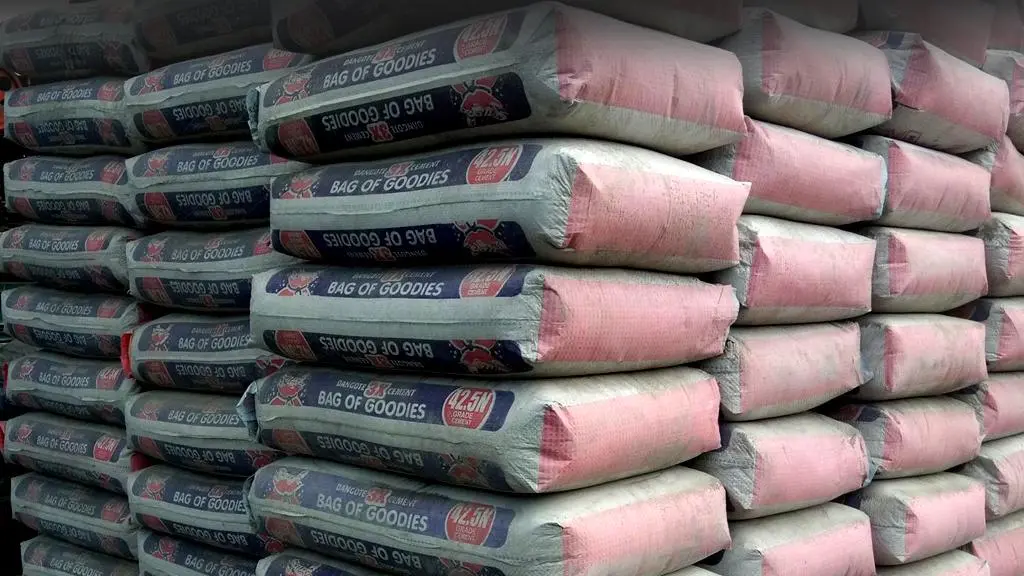
The Douala facility, which has an annual production capacity of 1.5 million tons, sold 1.2 million tons last year, down from 1.4 million tons in 2024. The shortfall of roughly 200,000 tons was linked to post-election unrest following Cameroon’s October 2025 presidential vote, which disrupted business activities in Douala and several other major cities.
The slowdown in Cameroon also affected Dangote Cement’s pan-African performance. Across its African operations, total volumes dropped 1.6% to 11.0 million tons, while pan-African EBITDA fell 14.8% to 294.1 billion naira (CFA 120.5 billion), with profit margins declining from 23.3% to 20.2%.
Other markets, including Senegal, Ethiopia, Ghana, and South Africa, faced election-related uncertainties or liquidity challenges, further amplifying the impact.
Despite the downturn, the company remains optimistic about medium-term demand, fueled by infrastructure projects such as the Douala–Yaoundé highway and various road and bridge initiatives.
Dangote Cement has been operating in Cameroon since 2015, breaking a 48-year monopoly held by Cimencam, and continues to pursue expansion plans.
Cimencam, the country’s largest cement producer, has long dominated the Cameroonian market, presenting stiff competition for Dangote.
On February 28, 2026, Aliko Dangote signed a $1 billion deal with Sinoma Engineering to support capacity expansions in Cameroon and six other African nations.
In Cameroon, the company is evaluating two options: enlarging the existing Douala plant or reviving an older plan to construct a new 1.5-million-ton facility in Nomayos, near Yaoundé.
The conglomerate’s broader African strategy, spanning Nigeria, Senegal, Ethiopia, and South Africa, positions it as a leading cement producer on the continent. Ongoing political and economic instability in crucial markets may disrupt short-term growth plans, underscoring the persistent challenge of managing expansion while navigating operational risks across Africa.