

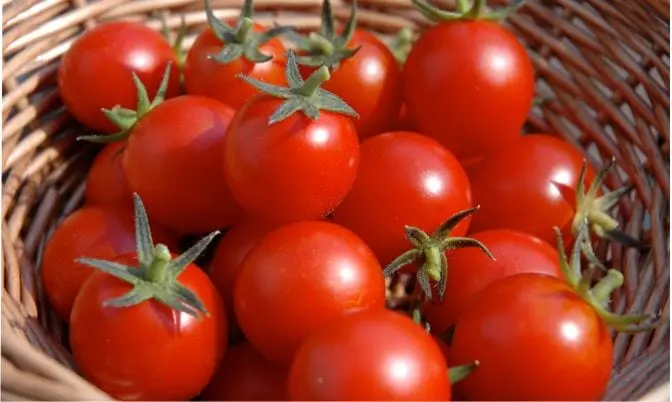
Burkina Faso has imposed an immediate halt on all fresh tomato exports in a bid to support local processing industries and secure a steady supply of raw materials, according to a government directive released on March 16, 2026.
The measure, outlined in a joint statement by Industry Minister Serge Gnaniodem Poda and Agriculture Minister Ismaël Sombie, signals a broader strategy by the military-led administration to boost domestic production and cut dependence on exporting unprocessed goods.
“The export of fresh tomatoes is suspended nationwide until further notice,” the statement noted, emphasizing the need to prioritise supply for local processing plants.
The restriction affects all exporters—both companies and individuals—and includes the suspension of Special Export Authorisations (ASE). Officials added that current permits will only remain valid for two weeks before being completely withdrawn.
Authorities cautioned that anyone who violates the directive will face penalties under existing regulations. Confiscated tomatoes from illegal exports will be redirected to local factories, especially those supported by state-backed investments.
Drive toward agricultural value addition
This policy highlights Burkina Faso’s increasing emphasis on agro-industrial development, as many African nations work to capture more value from their agricultural output.
Under the leadership of Captain Ibrahim Traoré, the country has intensified efforts to move away from raw exports and instead build local processing capacity, a shift aimed at creating jobs and strengthening industrial growth.
By focusing on domestic supply, the government intends to keep tomato processing factories running consistently, as they have previously struggled with shortages caused by cross-border trade.
Impact on regional trade
The export ban is likely to disrupt agricultural trade patterns across West Africa, where both formal and informal cross-border trade plays a major role.
Countries including Ghana, Côte d’Ivoire, Togo, and Niger may experience supply challenges, especially in border communities that rely on Burkina Faso’s seasonal tomato production.
Ghana, in particular, could face short-term shortages or rising prices in local markets due to its strong agricultural trade ties with Burkina Faso.
The move also reflects a wider pattern across Africa, where governments are stepping in to regulate commodity exports in an effort to support and stabilise local industries. Comparable measures have been introduced in sectors like cocoa, maize, and minerals, as countries try to strike a balance between earning export revenue and meeting domestic industrial demands.
Although the ultimate aim is to develop strong and sustainable agro-processing industries, analysts warn that prolonged restrictions could significantly alter regional trade patterns over time.