

Since the outbreak of hostilities between Iran and Israel in late February, disruptions at the Strait of Hormuz have unsettled global shipping, hitting many African economies hard. Amid this turmoil, Kenya’s Lamu Port has unexpectedly benefited from the shift in maritime traffic.
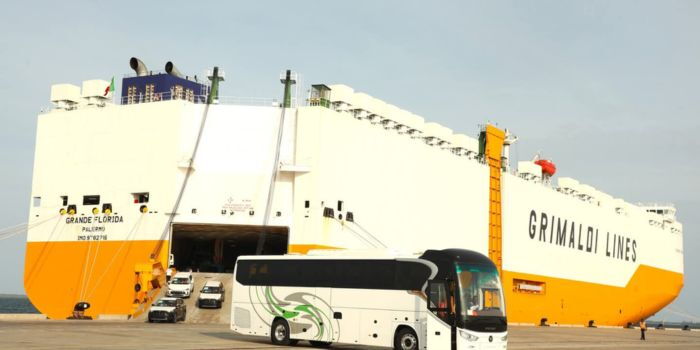
Restrictions on navigation through the Strait have forced vessels bound for the Middle East to seek alternative routes, with several ships now diverting to the underused northern Kenyan port to offload cargo.
Prior to the recent escalation, Lamu struggled to attract regular shipping traffic. Neighboring Ethiopia depends heavily on Djibouti’s port, while most maritime operators favour Mombasa for its well-established road and rail links connecting Uganda and the wider region.
Situated approximately 340 kilometres north of Mombasa, Lamu has recently seen a significant rise in activity.
The Kenya Ports Authority (KPA) reported that the port has handled 74 vessels so far this year around a third of all ships processed since it opened in 2021. By comparison, only two container ships docked during the first quarter of last year.
With access to Dubai’s Jebel Ali the busiest container hub outside Asia restricted, shipping companies are increasingly avoiding the Red Sea and taking longer routes around southern Africa. In this context, Lamu is emerging as a convenient stopover for diverted vessels.
A case in point is the Grande Florida Palermo, operated by Grimaldi Group, which recently arrived at Lamu carrying roughly 3,800 vehicles from Yokohama, Japan, initially destined for Saudi Arabia. The vessel has a capacity of up to 9,000 cars and is among several rerouting through the port.
Another ship transporting hundreds of vehicles recently docked, while a third carrying more than 5,000 cars is expected in the coming days, according to port authorities.
“The Port of Lamu is preparing for an increase in vessel calls in the days ahead,” the KPA said in a statement on X. “This trend is anticipated to boost regional trade and enhance the port’s role as a key transshipment hub.”
Officials note rising interest from shipping operators. “Lamu Port expects additional vessels to divert here, as multiple agents have already inquired about berthing space,” said LAPSSET, the agency managing the broader transport corridor that includes the port.
Originally planned as part of the expansive LAPSSET corridor a regional infrastructure initiative linking Kenya to Ethiopia and South Sudan via roads, railways, pipelines, and airports Lamu Port has seen slow progress. To date, only three of the projected 32 berths have been completed at a cost of roughly $480 million.
Security concerns have also affected investor confidence. Located about 100 kilometres from the Somalia border, the port has faced threats from al-Shabaab, the militant group connected to al-Qaeda.