

Nigerian billionaire Aliko Dangote’s refinery is experiencing a significant increase in inquiries as African governments rush to secure fuel amid supply disruptions caused by the US-Israel war on Iran.
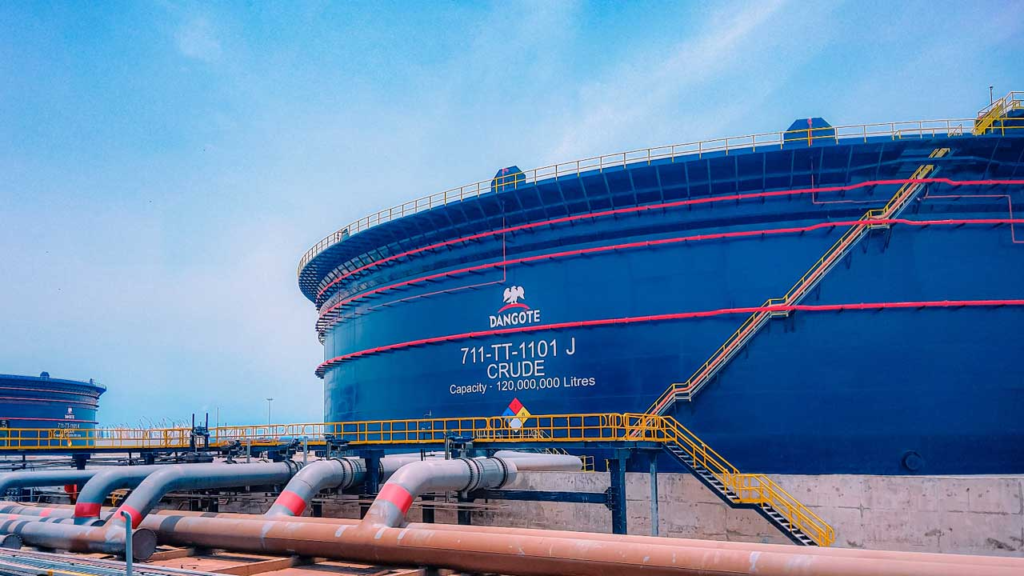
Dangote Petroleum Refinery and Petrochemicals has reportedly been approached by South Africa and several other countries, a company executive confirmed.
Sources familiar with the negotiations indicated that South Africa is seeking a standard 12-month supply agreement with Nigeria, though they requested anonymity.
The conflict, which erupted on February 28, has unsettled global trade, largely due to Iran’s blockade of the Strait of Hormuz. The fallout is being felt worldwide, from cooking gas shortages in India to declining naphtha availability in Japan, underscoring vulnerabilities in the global energy system.
Africa’s fuel vulnerability
African nations are among the hardest hit. East and Southern Africa are particularly dependent on imports, with around 75% of refined fuel coming from the Middle East.
In South Africa, the National Treasury recently cautioned that its ability to shield consumers from rising prices is limited. Crude oil costs have surged over 40%, exceeding $100 per barrel, while shipping and production disruptions ripple across the continent.
Ethiopia has advised citizens to reduce fuel usage in response to the supply shortage.
At Dangote’s refinery, which produces 650,000 barrels per day, approximately 75% of output is earmarked for domestic use, leaving the remainder for export. Ghana and Kenya have also reportedly reached out for supplies. “Right now it’s not about price; it’s about availability,” Dangote told The Economist. “I expect this situation to persist for some time.”
While South Africa says its fuel reserves are sufficient for the coming weeks, Kenya has instructed oil marketers to maintain at least three weeks of stock. By comparison, the International Energy Agency (IEA) requires member nations to hold a minimum of 90 days of net oil imports, though no African country is currently part of the IEA framework.