

The Democratic Republic of Congo is taking steps to strengthen oversight of one of its most profitable but poorly regulated sectors, introducing wide-ranging reforms to regain control over the nation’s gold trade and reduce lost revenues.
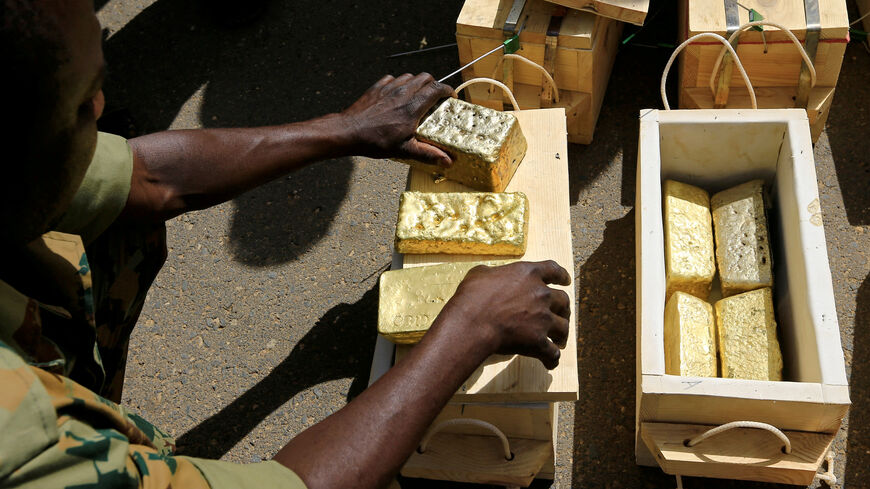
At a Council of Ministers meeting on April 5, Prime Minister Judith Suminwa outlined a plan aimed at enhancing traceability, increasing regulatory supervision, and formalising gold flows that have long been dominated by informal networks and cross-border activity.
The initiative responds to mounting concerns that smuggling and weak enforcement are causing the country to lose substantial income.
Central to the reform is a multi-ministerial task force charged with developing practical solutions to persistent gaps in monitoring gold production and exports.
Officials intend to update the traceability manual for minerals, covering the entire supply chain from extraction to export, while also reforming the framework governing the Specialized Center for the Purchase, Marketing, and Export of Gold from Artisanal Mining.
Africa’s growing shift toward resource control
Kinshasa’s approach reflects a wider trend across the continent, where governments are seeking to exert more control over strategic minerals amid rising global demand.
According to the Canadian Mining Journal, as much as $35 billion worth of gold from Africa’s artisanal and small-scale mining sector goes unreported and is frequently smuggled abroad.
In Tanzania, sweeping reforms under former President John Magufuli increased state stakes in gold projects and prompted renegotiations with multinational mining companies.
Similarly, Ghana has boosted government participation in gold trading through schemes such as Gold for Oil, which aim to increase foreign exchange reserves and reduce revenue leakages.
Mali and Burkina Faso have also revised their mining codes to secure higher state ownership and strengthen oversight, particularly in artisanal mining regions prone to smuggling.
In the DRC, part of the reforms will integrate mining cooperatives and traders into the formal banking system to enhance transparency, alongside deploying technical agencies at border posts to monitor exports more effectively.
A pilot program in the gold-rich Haut-Uélé province will test the new system before it is rolled out nationwide.
Authorities hope these measures will not only increase gold revenues but also bring the sector in line with international certification standards, enabling the DRC to fully capitalize on its mineral wealth while reducing illicit trade.