

Nigeria is indicating a shift in its foreign policy direction, seeking to strengthen relations with Russia across key sectors while its ties with the United States come under renewed pressure following a new travel advisory and partial evacuation of embassy staff in Abuja.
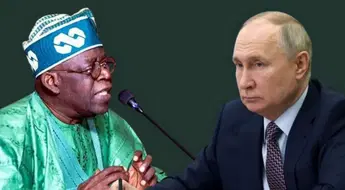
During a high-level meeting in Abuja, Minister of State for Budget and Economic Planning, Doris Uzoka-Anite, hosted Russia’s Trade Commissioner, Maxim Petrov, as both sides discussed expanding cooperation in areas such as education, trade, and investment.
The discussions took place amid rising diplomatic tensions after the United States revised its travel guidance on Nigeria, advising its citizens to reconsider travel plans and approving the withdrawal of non-essential embassy personnel due to increasing security concerns.
The US retained Nigeria at a Level 3 advisory, pointing to threats including terrorism, kidnapping, violent crime, and civil unrest, while designating some states under a strict “Do Not Travel” warning. This development highlights growing unease in Washington over Nigeria’s security situation and reduces the ability of its Abuja embassy to offer full services.
In response, Uzoka-Anite stressed Nigeria’s willingness to broaden its international partnerships, describing Russia as a cooperative ally in driving development goals.
She reaffirmed that Nigeria is open to initiatives that strengthen collaboration, emphasizing the need for partnerships that produce measurable benefits at both national and local levels.
According to her, although current cooperation between Nigeria and Russia has yielded results, there is still ample opportunity to expand into areas such as technology exchange and workforce development.
The Russian delegation presented a refreshed approach centered on engaging directly with Nigeria’s regional authorities, particularly through programs in education and skills training.
Petrov disclosed that roughly 200 Nigerian students are currently on fully funded scholarships in Russia, with intentions to extend the scheme into sectors like healthcare, industry, and hospitality.
He added that Russia’s goal is to align with Nigeria’s priorities and build a mutually beneficial partnership rather than impose its own agenda.
Officials from the Federal Ministry of Budget and Economic Planning noted that relations between Nigeria and Russia continue to develop, expressing optimism that stronger cooperation could create new economic prospects.
Experts believe Nigeria’s renewed engagement with Russia reflects a broader adjustment in its foreign policy as global dynamics evolve. With Western partners voicing security concerns and reducing diplomatic footprints, Abuja appears to be pursuing a more diversified approach to its international relationships.
These developments underscore a delicate geopolitical phase for Nigeria, as it manages internal security issues while working to sustain investor confidence and strengthen global ties.
Observers suggest that although the US advisory could affect travel and investment sentiment in the near term, Nigeria’s efforts to build partnerships with emerging global players like Russia demonstrate a practical strategy for navigating a changing international landscape.