
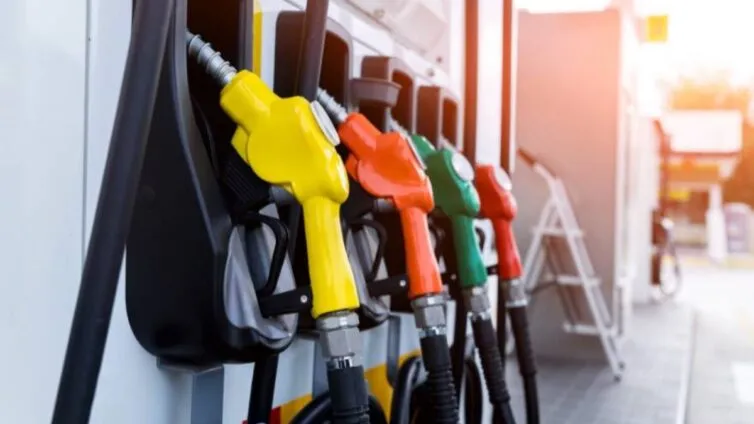
Prices at the pump are expected to rise modestly for petrol and LPG by about 3.01% and 0.90% respectively, while diesel is projected to record a 3.86% decrease, even as global petroleum prices trend upward during the period.
The relatively mild adjustments reflect a joint effort between government and industry players to shield consumers from the full impact of rising international fuel costs over time.
Without these measures, fuel prices would have increased more sharply within the current pricing window.
This projection is contained in the latest pricing outlook released by the Chamber of Oil Marketing Companies for the second pricing window of April.
According to COMAC, global crude oil prices have continued their upward trajectory in 2026, climbing from an average of $109.66 per barrel to $129.80 per barrel, marking an 18.37% rise.
The reopening of supply routes through the Strait of Hormuz remains crucial in reducing pressure on fuel supplies, pricing, and the broader global economy.
As a result, international fuel prices have increased for the seventh straight pricing window since January 2026, with LPG recording the highest jump at 9.38%, followed by diesel at 6.98% and petrol at 2.77%.
The outlook also points to a slight weakening of the cedi against major foreign currencies. For the April 16 window, the exchange rate moved from GH¢11.05 to GH¢11.13 to the US dollar, representing a 0.74% depreciation.
It further notes that government stepped in ahead of the second pricing window in April with targeted interventions.
Beginning April 16, certain taxes, levies, and regulatory margins within the fuel price structure have been reduced through a coordinated move between authorities and industry stakeholders.
As part of this approach, statutory margins particularly for petrol and diesel have been lowered to cushion consumers against rising global costs.
The strategy reflects a temporary burden-sharing arrangement between the state and industry players aimed at easing price pressures while ensuring market stability.
Government also announced a GH¢2.00 per litre reduction on diesel and a GH¢0.36 per litre cut on petrol, effective Thursday, April 16.
This forms part of broader efforts to provide relief to consumers at the start of the second pricing window amid sustained global price pressures.
The intervention is expected to last for one month, after which authorities will assess global oil market trends before deciding on further actions.
At the same time, new price floors introduced for the window could offer some relief to fuel users.
Petrol is projected to sell at a minimum of GH¢13.27 per litre, slightly lower than the GH¢13.30 recorded in the first pricing window of April.
Diesel will see a more notable reduction, with its price floor dropping to GH¢16.10 per litre from GH¢17.10 previously.
However, the price floor for Liquefied Petroleum Gas (LPG) has edged up to GH¢10.79 per kilogram, compared to GH¢10.71 in the earlier window.
Under Ghana’s petroleum pricing framework, the price floor represents the lowest allowable selling price for fuel by Oil Marketing Companies and LPG marketers.
These base prices do not include additional charges such as premiums from International Oil Trading Companies, as well as margins set by Bulk Import, Distribution and Export Companies and fuel dealers.
Such components are determined independently by the respective companies in line with established petroleum pricing guidelines.