

A sharp rise in global oil prices caused by the intensifying conflict involving Iran is beginning to ripple across African economies. The surge is increasing the likelihood of higher fuel prices, accelerating inflation, and placing additional strain on already fragile currencies throughout the continent.
Across much of Africa, countries remain heavily dependent on imported petroleum products, even in cases where crude oil is produced locally. This reliance leaves many economies highly exposed to disruptions in international supply chains, especially those connected to the Middle East, a region that plays a pivotal role in global energy supply.
Nick Hedley, an analyst at Zero Carbon Analytics, explained that Africa’s strong dependence on imported fuels increases the continent’s exposure to fluctuations in global energy markets.
“Africa imports more oil products than it exports, which means shocks like this have a direct impact,” Hedley said.
When global oil supplies tighten, crude prices usually climb while many African currencies weaken as investors shift funds into safer assets such as the US dollar. This combination often pushes up the cost of fuel imports in countries such as Kenya and Ghana, where governments are already grappling with inflation and rising debt obligations.
Economists caution that signs of these pressures are beginning to surface. Brendon Verster of Oxford Economics noted that the immediate risks are linked to climbing oil prices alongside instability in exchange rates.
“The short-term risks mainly come from higher oil prices and weaker currencies as investors move funds into safer assets,” he said.
Oil prices exceeding $100 per barrel could benefit exporters but raise costs for households
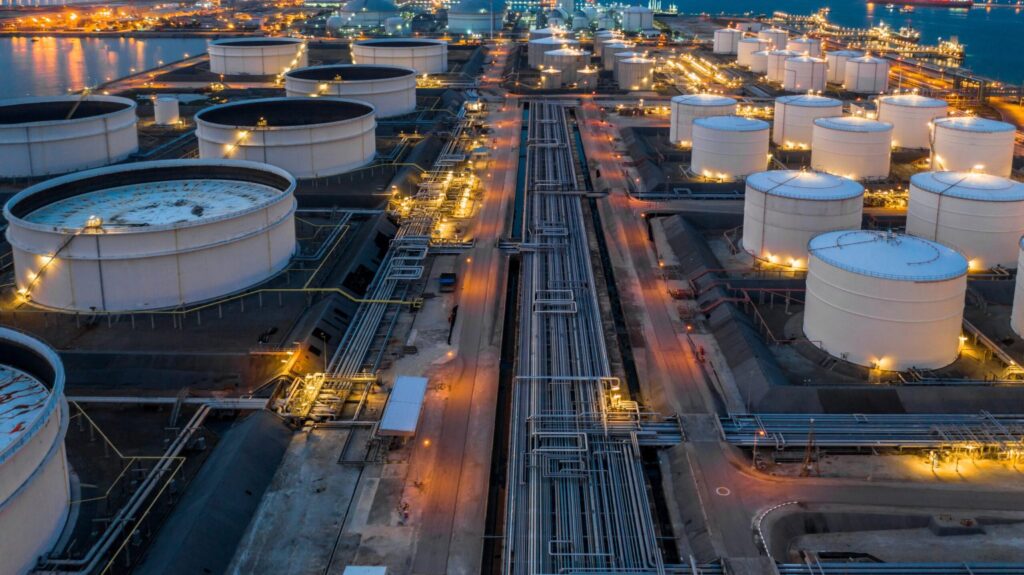
Global energy markets remain highly sensitive to developments around the Strait of Hormuz, a narrow shipping corridor responsible for transporting roughly one-fifth of the world’s crude oil supply. Any interruption to shipments through this route could quickly restrict global supply and push prices significantly higher.
However, the consequences across Africa are unlikely to be the same everywhere. Oil-producing nations such as Nigeria and Ghana may benefit from higher crude prices, though those gains could be limited because both still rely heavily on imported refined petroleum products. For ordinary consumers, rising crude prices usually mean more expensive petrol, diesel, and transportation.
Hedley warned that the advantages for producing countries remain uncertain. While governments might earn more from exports, higher domestic costs could offset those gains, leaving households facing increased transport expenses and possibly higher borrowing costs.
Should oil prices remain above $100 per barrel, Africa’s leading exporters including Angola, Algeria, and Libya could experience a noticeable increase in government revenue. Nigeria, which exports about 1.5 million barrels of oil each day, currently bases its medium-term fiscal projections on prices ranging between $64 and $66 per barrel through 2028, meaning prolonged higher prices could improve state income.
Rising fuel import costs could place pressure on vulnerable African economies
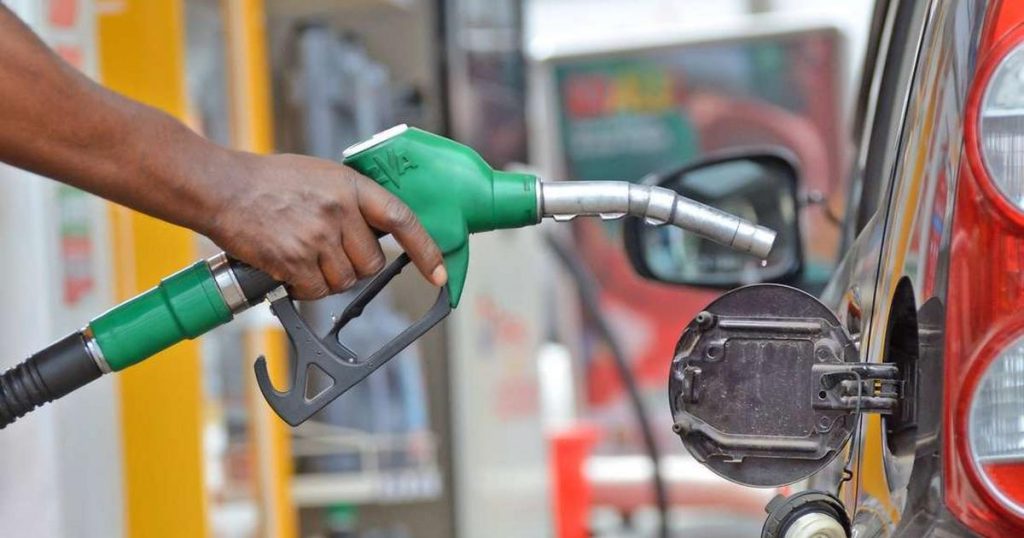
For many households across the continent, the most immediate issue is the rising cost of living.
“This is a major concern,” Hedley said, pointing out that a large share of goods and food in Africa are transported by road. As fuel prices increase, transport costs rise quickly, which in turn pushes up consumer prices and reduces household purchasing power.
Some economies may be better equipped to manage the shock. Peter Attard Montalto indicated that recent economic reforms have helped stabilise financial markets in South Africa, helping limit the immediate effects.
“So far the impact has been relatively limited,” he said, though he added that higher energy costs are still likely to contribute to inflation in the months ahead.
Countries currently operating under financial programmes with the International Monetary Fund could face further strain if rising energy import bills drain their limited foreign currency reserves. Analysts say the economies most at risk include Sudan, The Gambia, Central African Republic, Lesotho, and Zimbabwe.
Over the longer term, specialists believe the crisis could strengthen arguments for Africa to reduce its dependence on imported fossil fuels.
“It is strategically important for African nations to secure long-term energy independence and stability,” said Kennedy Mbeva from the University of Cambridge Centre for the Study of Existential Risk.
Analysts say reaching that objective will require governments to manage short-term fiscal challenges while continuing to invest in renewable energy sources and green industrial development.