

Guinea, Africa’s leading bauxite producer, is reportedly in talks with mining companies about implementing measures to control the volume of bauxite exported to the global market, with the goal of protecting domestic prices from a potential drop.
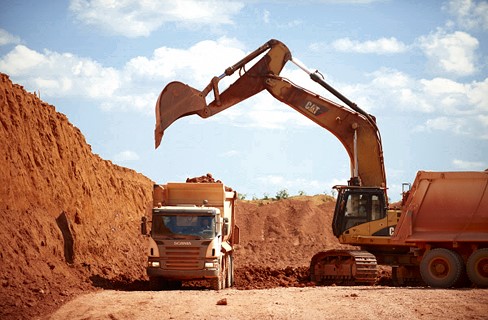
Sources familiar with the discussions revealed the initiative following market reactions that influenced bauxite pricing.
If implemented, Guinea would join Zimbabwe in restricting exports of key minerals, most of which are destined for China, according to Bouna Sylla.
As of now, no final decision has been made.
“The objective of this policy is to manage bauxite production to prevent price declines and avoid reductions in company revenues and government tax receipts,” Sylla told reporters.
He also mentioned that discussions with the miners’ umbrella organisation took place on March 12 regarding this potential policy.
Guinea is urging investors not to exceed production limits defined in their mining contracts and feasibility studies.
“The plan is expected to take effect in the coming weeks and will align 2026 production and export levels with what has been outlined in approved mining plans,” Sylla explained.
Unexpected shutdowns in Guinea have already led to a 20% to 35% drop in bauxite prices from their 2025 highs, according to Tom Price, head of commodities at Panmure Liberum.
On Monday, benchmark bauxite shipments from Guinea and Australia were trading between $60 and $70 per metric ton.
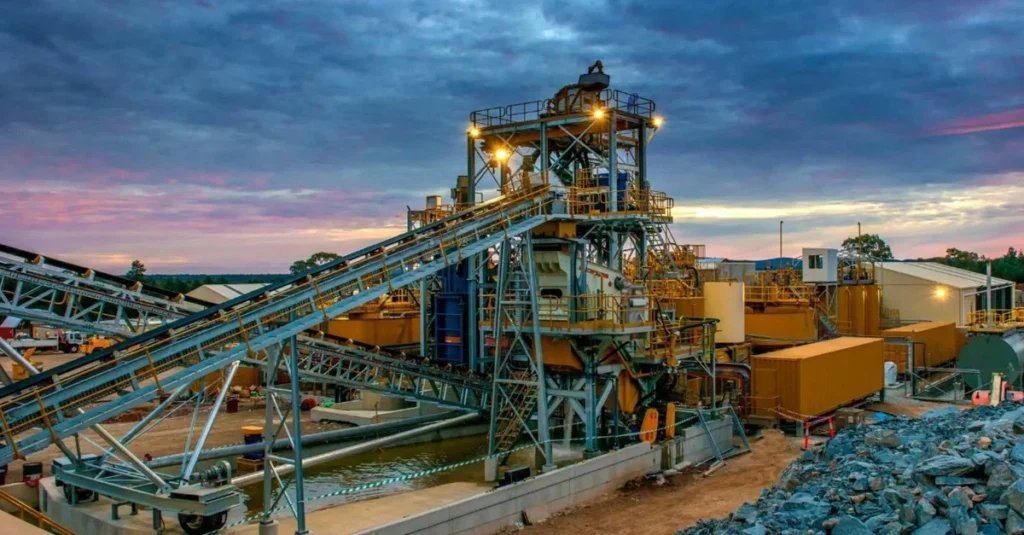
In 2025, Guinea’s bauxite exports rose more than 25% to 183 million tons, with the majority shipped to Chinese refineries.
Bloomberg analysts note that if Guinea proceeds with export controls, it could introduce additional uncertainty to the global aluminum market, which is already dealing with disruptions from Middle Eastern smelters accounting for roughly 9% of worldwide output.
Guinea is also aiming to increase domestic processing of bauxite into alumina. “The criteria being considered include on-site ore processing to add value within the country,” Sylla said.
Societe Miniere de Boke, which includes shareholders such as China Hongqiao Group and Singapore’s Winning International Group, was the country’s largest exporter last year, shipping 71.5 million tons.
Other major producers include operations run by China Aluminium Corp. and Compagnie des Bauxites de Guinee, ranked second and third respectively.
Meanwhile, Zimbabwe has recently moved to suspend the export of lithium concentrates and other raw minerals lacking domestic processing. This step follows allegations of government malpractice and resource leakages.
The Zimbabwean Ministry of Mines stated that the government is committed to in-country value addition, compliance, and accountability, and will revise export procedures to curb inefficiencies in mineral management.
Market reactions were immediate, with lithium prices surging on futures exchanges due to expected supply limitations.
On China’s Guangzhou Futures Exchange, the most traded lithium carbonate contract rose 6.07% to 178,020 yuan ($26,043) per metric ton by 03:30 GMT, after earlier jumping over 9% to 187,700 yuan.
Analysts warn that these short-term supply constraints could ripple across the global battery supply chain, affecting production and pricing worldwide.