

Angola is set to start operations at its first gold refinery in the first half of the year, as the nation, Africa’s second-largest oil producer, intensifies efforts to diversify its economy and increase value from its mineral wealth.
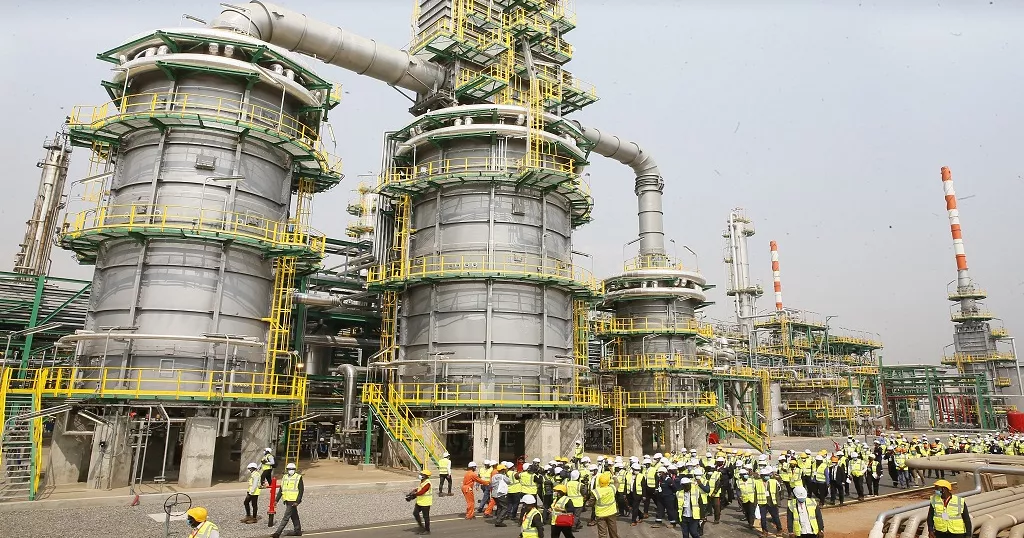
The facility, situated in Viana near Luanda, is designed to process roughly 20 kilograms of gold per day.
According to Paulo Tanganha, the national director of mineral resources, construction and equipment installation have been completed, with the refinery now undergoing commissioning and final technical adjustments.
This initiative reflects a growing trend among African resource-rich countries to process minerals domestically rather than exporting them in raw form, aiming to boost foreign exchange, create employment, and reduce vulnerability to commodity price fluctuations.
Historically, Angola has depended heavily on oil and diamonds for revenue, exposing its economy to global market volatility.
Recent policy reforms have targeted expansion of the mining sector, particularly in light of potential long-term declines in oil production and pressures from the global energy transition.
Tanganha noted that increasing gold production would be crucial to supply the refinery and support the government’s economic diversification goals.
The project comes at a challenging time for the international diamond market, with prices falling due to weaker demand in key regions such as the United States and China, as well as rising competition from lab-grown diamonds.
“Despite the low diamond prices internationally, Angola continues to maintain large-scale production,” Tanganha said.
In 2025, the country produced around 15 million carats of diamonds, surpassing targets outlined in the 2023–2027 National Development Plan, and it continues to see long-term potential through untapped reserves and opportunities for new discoveries.
At the same time, authorities are accelerating exploration of other minerals such as iron ore, copper, manganese, and niobium.
Production of phosphate and rare earth elements, essential for agriculture and clean energy technologies, is projected to start by 2027.
Currently, the mining subsector contributes approximately 2 percent of Angola’s gross domestic product, while the broader extractive industries, including oil and gas, account for over 30 percent. Officials note that the sector’s indirect impact is even larger due to its connections with other parts of the economy.
The industry provides employment for more than 50,000 people and has issued roughly 60 licences covering prospecting and exploration operations.
The inauguration of the gold refinery is expected to enhance Angola’s standing within Africa’s mining sector, as governments across the continent compete to attract investment and move up the value chain in global commodities markets.