

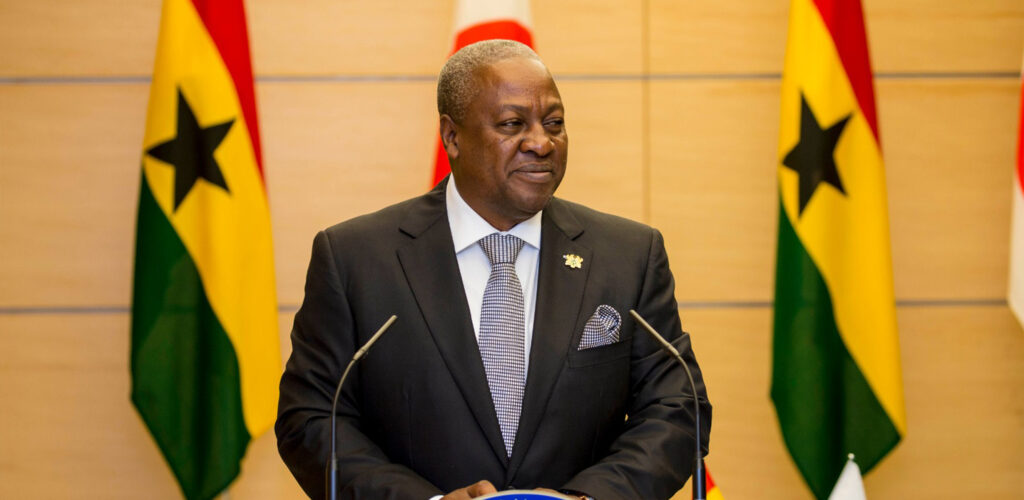
President Mahama directs NIB to investigate alleged cash-for-scholarship scheme.
President John Dramani Mahama has ordered the National Investigation Bureau (NIB) to launch an immediate and comprehensive probe into claims
Explore the Future of AfCFTA Investment Opportunities in Africa
The African Continental Free Trade Area, AfCFTA, is a historical agreement that is meant to boost intra-African trade and investments. It will reduce tariffs and other barriers to create a single market by making it easier to access resources and consumers across the continent.
How will AfCFTA Impact on Africa Businesses?
This will create much opportunity for African businesses as it eliminates the trade barriers to new markets and a more extended consumer base. It will make the local entrepreneurs strong, increase entrepreneurship, and develop more employment. In addition, regional cooperation will increase and enable businesses to take advantage of the single supply chain that can reduce costs and increase efficiency.
Economic Benefits of AfCFTA to Africa
The impact on Africa is expected to be high. Experts think that the agreement might raise intra-African trade to 52%. This is further projected to push Africa’s gross domestic product (GDP) up by $450 billion through 2035. This will lead to greater prosperity, reduced poverty, and support sustainable development all over the continent.
Investment Opportunities in Africa with AfCFTA
One of the more significant benefits to be derived from AfCFTA is the sheer investment opportunities for Africa. Africa becomes an increasingly attractive destination to global investors by bettering trade infrastructure and reducing the costs of trade associated with the agreement.
The key sectors that can benefit significantly include agriculture, energy, technology, and manufacturing under AfCFTA. These investments are not a preserve of foreign investors but may also be a good opportunity for African investors wishing to diversify their portfolios across the continent.
Role of Technology in AfCFTA
Digital trade platforms, better logistics systems, and modernized customs procedures will render cross-border trade frictionless. This technological shift will benefit African businesses with new tools for innovation efficiency and market expansion.
A Game Changer for Africa’s Future
AfCFTA is the game-changer for Africa; it is going to allow cross-border companies to expand and facilitate investment opportunities that will create long-term economic development, therefore being a bridge to prosperity for the continent. Increased trade, investment, and economic integration prospects will propel Africa’s progress toward the future.
Check Out Our Website
Are you interested in learning more about how the AfCFTA changes the economic landscape? Stay on top of news and analysis at GITFICONLINE.COM. Find out how you can benefit from AfCFTA prospects by contacting us now!
President John Dramani Mahama has ordered the National Investigation Bureau (NIB) to launch an immediate and comprehensive probe into claims
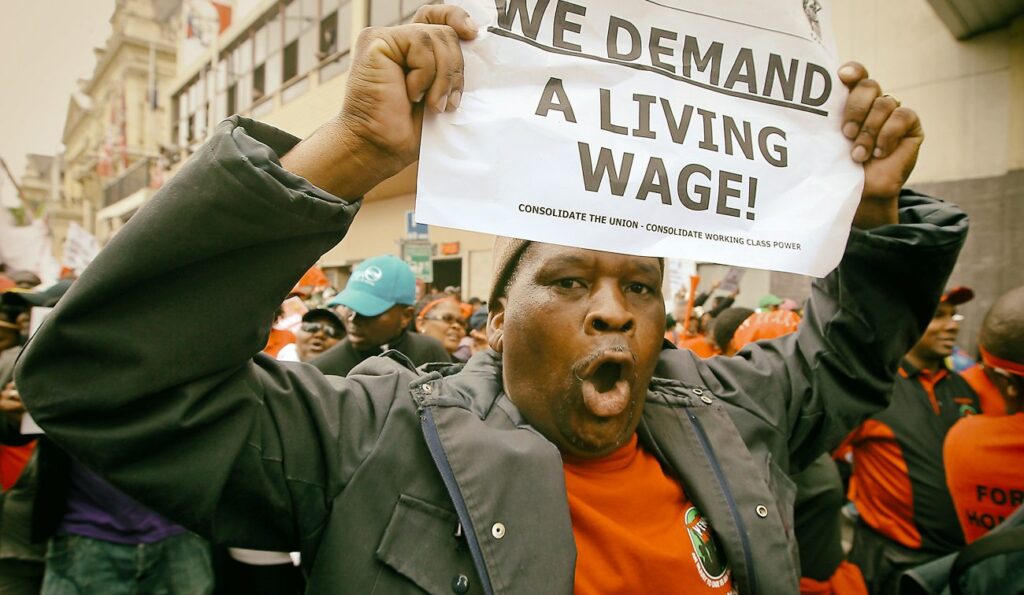
South Africa announced on Tuesday that it will increase the national minimum wage by 5% starting 1 March, raising the hourly rate to R30.23 ($1.89) from the previous R28.79 ($1.80).

Uber reported better-than-expected revenue for the fourth quarter on Wednesday, although shares fell in premarket trading following the earnings release.

Eurozone inflation eased to 1.7% in January, according to preliminary data released Wednesday by Eurostat. Economists surveyed had also anticipated

UK Prime Minister Sir Keir Starmer has condemned Russia’s recent strikes on Ukraine’s energy infrastructure as “barbaric” and “particularly depraved,” hitting power plants and leaving over 1,000 Kyiv apartment blocks without heating amid temperatures of -20°C. The attacks have caused widespread disruption, forced residents into metro shelters, and left key power facilities, including Kharkiv’s plant, damaged, while US-led peace talks continue in Abu Dhabi.
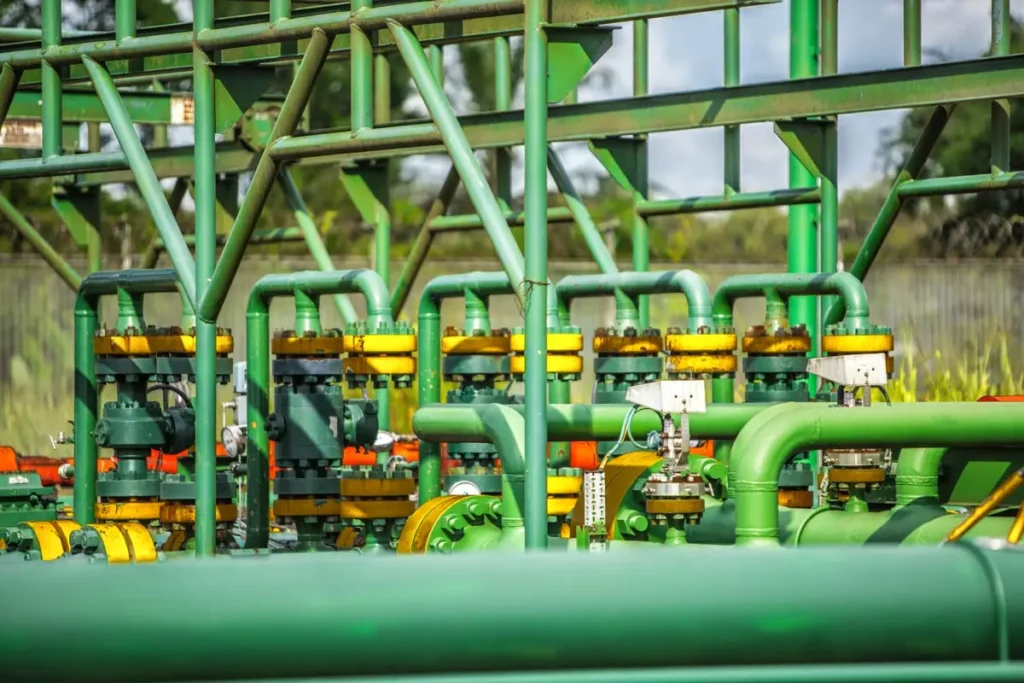
Nigeria is advancing its abundant natural gas resources as a key driver of Africa’s industrial development and energy transition, amid
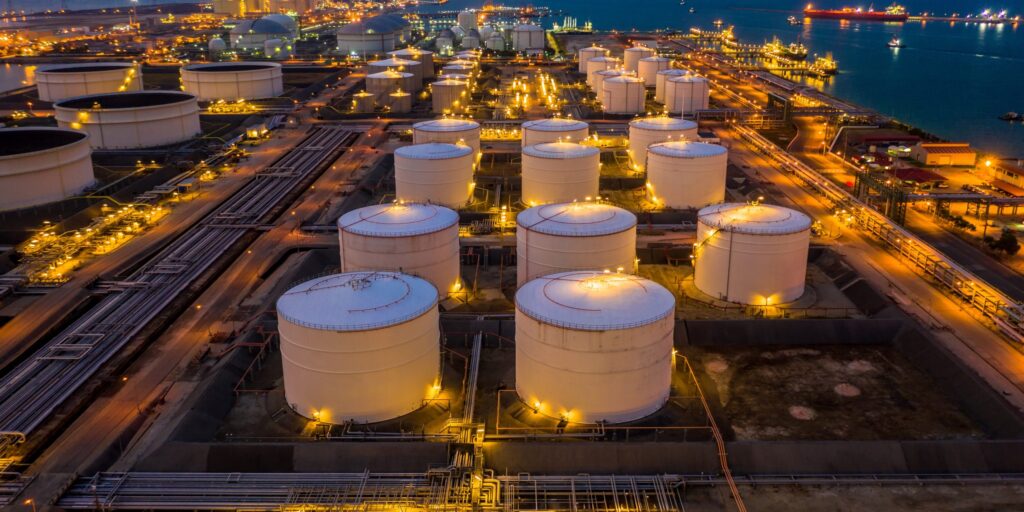
Africa’s reliance on imported petroleum products is draining resources needed for local capacity building and industrial growth, Nigeria’s Minister of State for Petroleum Resources, Senator Heineken Lokpobiri, has said, stressing that retaining energy value within the continent could be economically transformative

Ghana’s finance minister has proposed trimming a mining levy by two percentage points in an effort to secure industry support
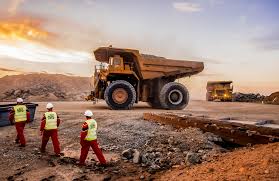
The Institute of Economic Affairs (IEA) has rejected the government’s proposed sliding-scale mineral royalty framework, describing it as a continuation
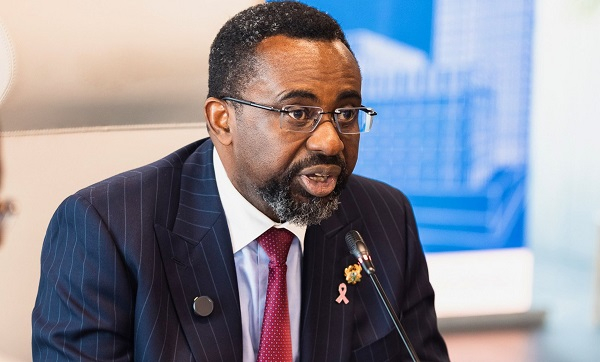
The Bank of Ghana has confirmed that two banks UMB and Prudential Bank Ghana remained undercapitalised as of December 2025.