

Government launches digital payslip system for public sector employees
The Controller and Accountant-General’s Department (CAGD) has rolled out a new electronic payslip system for all government employees on the […]
The Controller and Accountant-General’s Department (CAGD) has rolled out a new electronic payslip system for all government employees on the […]

Efforts are underway for Angola to secure a 20% to 30% shareholding in De Beers, the global diamond powerhouse owned
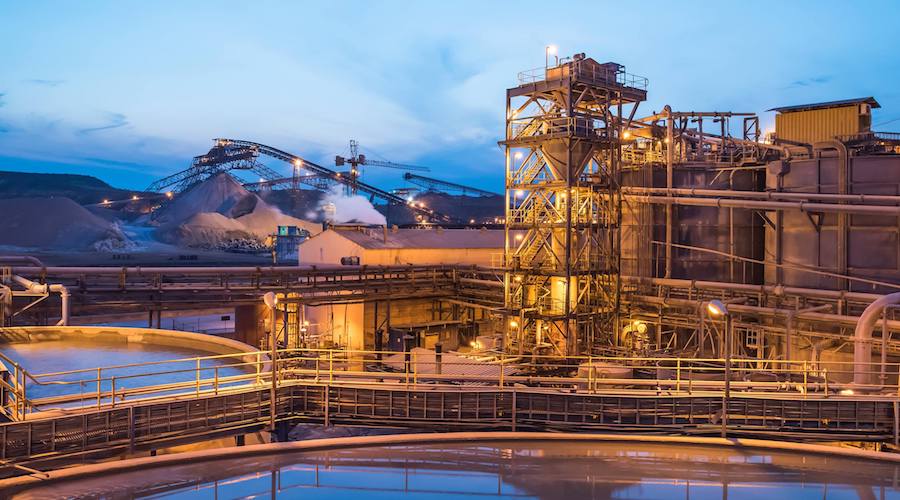
The Malian government has announced plans to establish a state-owned company to administer its interests in mining enterprises, according to

The EU plans to impose interim measures on Meta to prevent WhatsApp from blocking third-party AI assistants, citing potential antitrust violations. The move aims to protect competition while the investigation continues, as Meta’s policy change, effective January, restricts access for outside AI tools. Meta has pushed back, saying users have alternative ways to access AI and the EU’s concerns are misplaced.
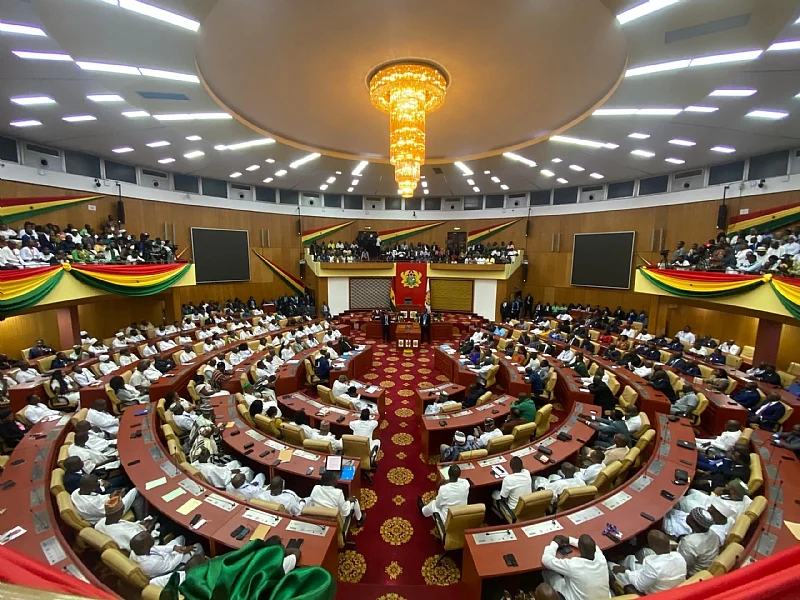
Parliament has approved the 24-Hour Economy Authority Bill, 2025, paving the way for Ghana’s economy to operate around the clock. The law establishes a central authority to coordinate public and private sector efforts, aiming to boost job creation, productivity, and economic growth.

Ace Anan Ankomah has urged African nations to overcome internal divisions and take control of their economic and technological future. He warned that self-imposed fragmentation, not independence, continues to hold the continent back, and called for unity, innovation, and self-reliance as drivers of sustainable growth.
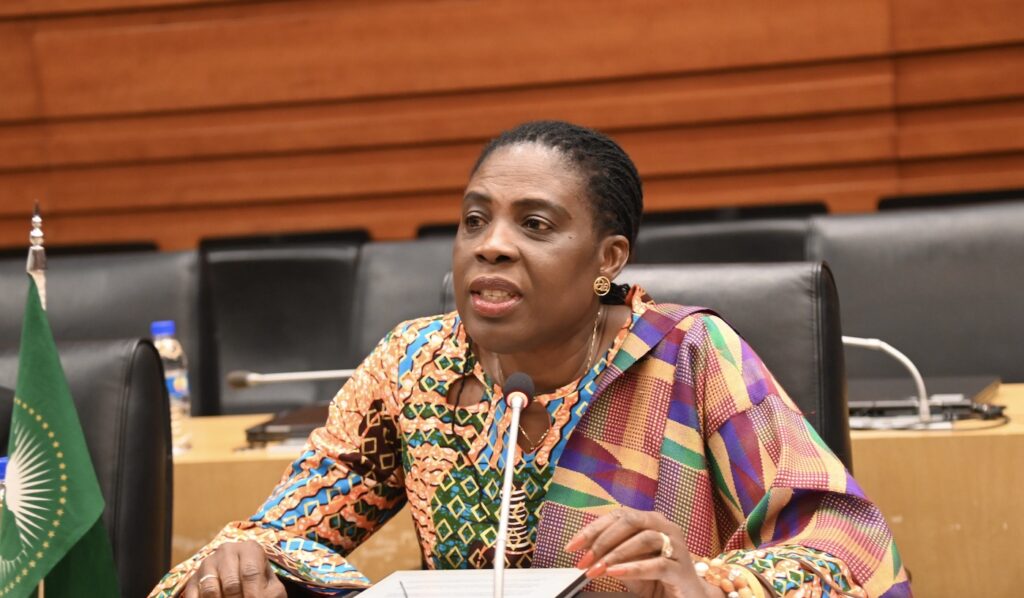
Ama Twum-Amoah of the African Union Commission has warned that AfCFTA cannot succeed without free movement of people. She said mobility is crucial for economic growth, innovation, and empowering women in cross-border trade.
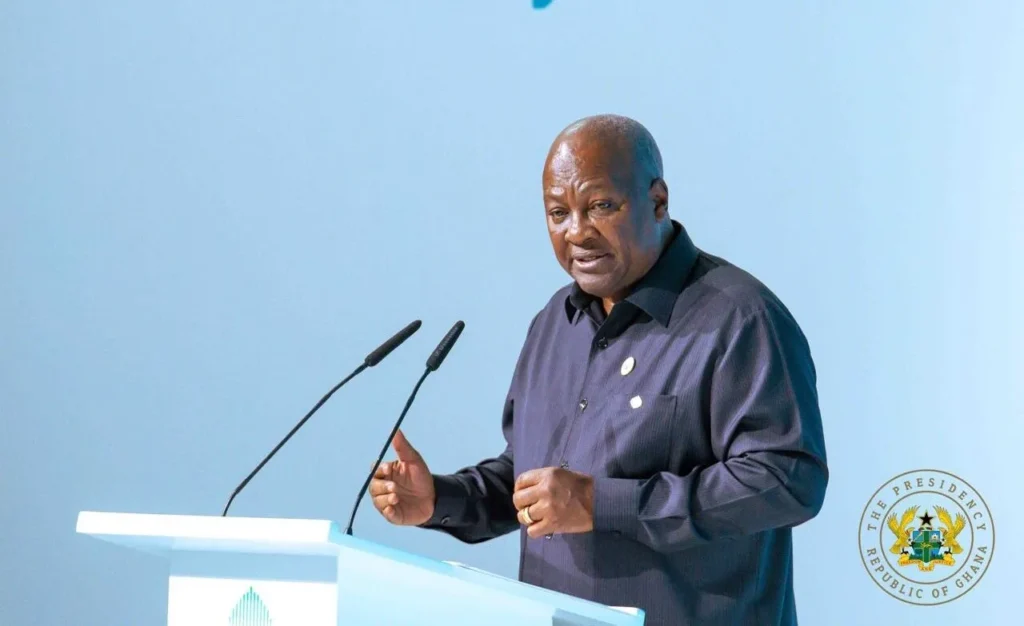
President John Dramani Mahama has urged African governments to prioritise road and rail infrastructure, warning that weak transport networks continue to raise business costs and hinder trade across the continent. He said stronger transport links are critical to making intra-African trade more affordable and fully realising the goals of the AfCFTA.
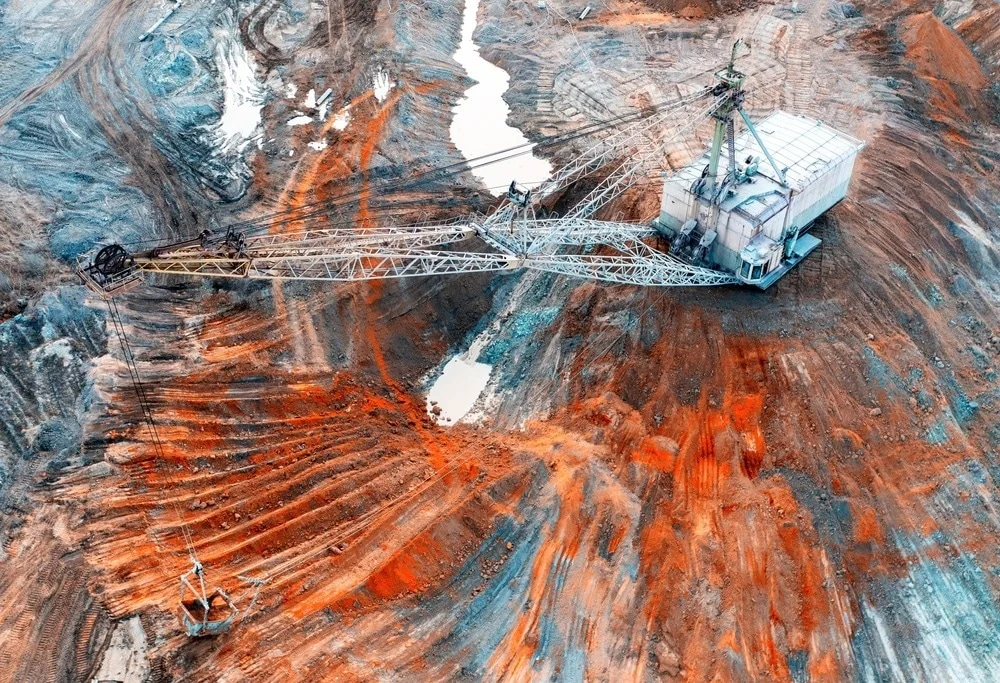
South Africa’s state-owned Industrial Development Corporation is backing Frontier Rare Earths’ Zandkopsdrift project in the Northern Cape, funding a feasibility study for a mine expected to produce rare earths and battery-grade manganese by 2030. The EU, seeking alternatives to Chinese supply, has designated the project a strategic asset, while Frontier explores EU funding partnerships and innovative extraction technology.
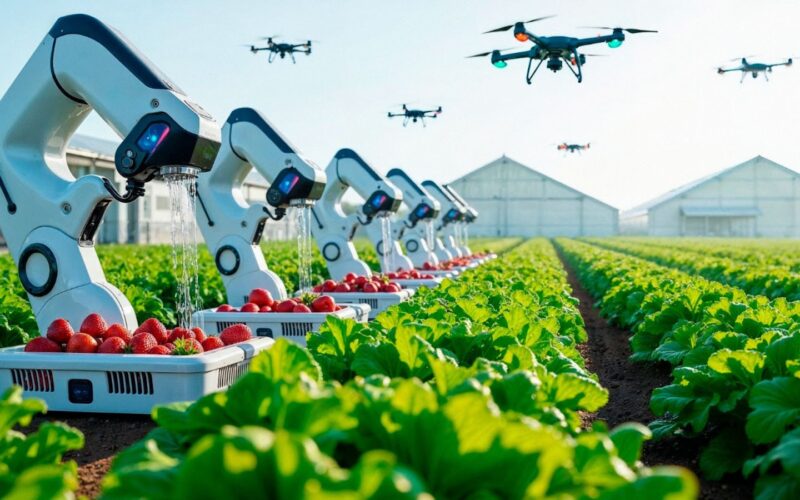
Founded in 2014, the privately held firm is repositioning to address Africa’s growing food security pressures while capitalising on rising demand for digital infrastructure driven by cloud computing and artificial intelligence. The company has already invested about $300 million in land acquisitions and asset-backed projects across the continent, with further funding to be deployed through partnerships and public–private collaborations with African governments.