

In the first quarter of the year, China recorded stronger-than-expected economic growth, even as global markets absorbed shocks linked to the ongoing US–Israel conflict with Iran.
Official figures showed that gross domestic product expanded by 5% compared with the same period last year, exceeding economists’ forecasts of about 4.8%.
The performance came despite heightened geopolitical tensions in the Middle East, which began on 28 February and significantly disrupted international energy flows, with Asian economies among the most affected.
It also represents the first GDP release since Beijing lowered its annual growth target last month to between 4.5% and 5%, its weakest official goal since 1991.
The recovery from a softer 4.5% growth rate in the previous quarter was largely driven by manufacturing activity, although the property sector continued to weigh on overall performance due to declining investment.
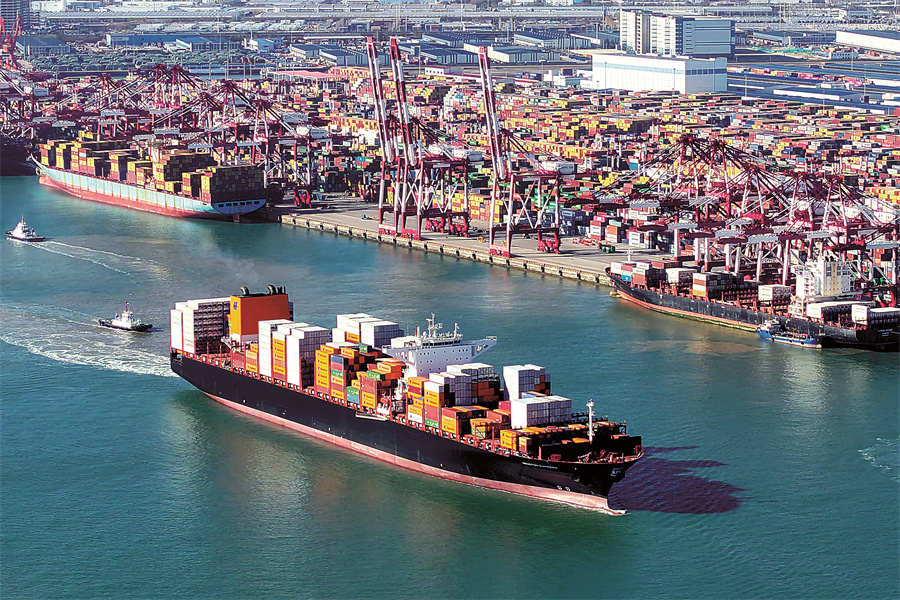
According to analyst Kyle Chan, exports—particularly cars and other manufactured goods—stood out as a key driver of growth in the latest data.
He added that the full economic impact of the Iran-related conflict has yet to be reflected in the numbers, warning that growth in the next quarter could slow due to ongoing trade disruptions.
China’s revised growth target and broader economic priorities were outlined in March under its latest Five-Year Plan, with a focus on innovation, advanced industries, and efforts to stimulate domestic consumption.
The ruling Communist Party continues to restructure the economy amid challenges such as weak consumer demand, demographic decline, and an extended property downturn.
Externally, China is also contending with energy supply pressures linked to the Iran conflict, alongside trade frictions and tariff measures introduced under former US President Donald Trump.
At present, Chinese exports face a 10% US tariff on most goods, though US Treasury Secretary Scott Bessent indicated that tariffs could return to higher pre-ruling levels by July if policy changes are reversed.
A potential meeting between Chinese President Xi Jinping and Trump is expected in China in May.
Meanwhile, monthly trade data for March showed a noticeable slowdown in export momentum, as rising global prices and weaker demand weighed on activity.
Export growth eased to 2.5% year-on-year in March, the lowest level in six months, following a more than 20% surge in combined January–February shipments driven by strong demand for electronics and manufactured goods.
China combines January and February trade figures each year to smooth out distortions caused by the Lunar New Year holiday period, which shifts annually.
Import activity surged by nearly 28% in March, according to customs data, reflecting higher global commodity costs linked to the conflict.
As a result, China’s monthly trade surplus narrowed to just over $50 billion, marking its lowest level in more than a year.
Economist Yixiao Zhou said the increase in import values is likely driven by rising global prices triggered by the Iran war.
She noted that threats to shipping through the Strait of Hormuz have pushed up crude oil prices and affected downstream products such as plastics.
Although China is less dependent on Gulf oil than some Asian economies like Japan and South Korea, domestic fuel prices are still rising, and some airlines have reduced flights due to higher jet fuel costs.
Zhou further cautioned that sustained export growth could be challenged if global consumers reduce spending in response to higher prices, stressing that external demand remains critical to China’s trade performance.