

Operations at the Mozal aluminium smelter in Mozambique have been halted by mining and metals company South32 after negotiations over electricity supply failed. The facility, located near the capital Maputo, is the second-largest aluminium smelter in Africa.
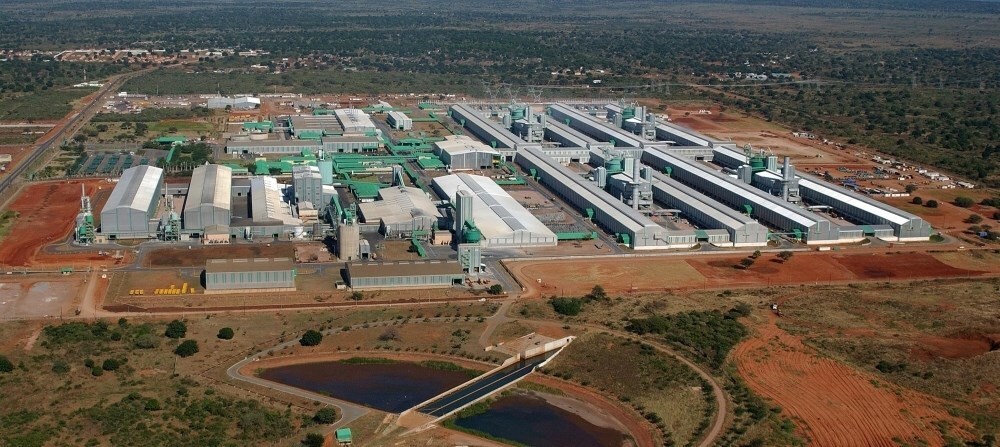
The company said the shutdown follows unsuccessful attempts to secure more affordable power once the current electricity agreement expires later this month.
For several years, South32 had been negotiating with the Mozambican government and Eskom, the state-owned power utility in neighbouring South Africa, to maintain energy supply to the smelter. The talks, which lasted about six years, ultimately failed to produce a workable agreement.
Chief Executive Officer Graham Kerr said the company had placed the smelter into “care and maintenance,” acknowledging that the outcome was not what the firm had hoped for. He also revealed that employee separation costs linked to the suspension are expected to reach around $60 million.
According to reports cited by Bloomberg, the Mozal facility receives electricity from the Cahora Bassa Hydroelectric Dam through power arrangements involving Eskom.
The end of earlier preferential electricity pricing agreements has created difficulties for energy-intensive industries in both Mozambique and South Africa.
Rising electricity tariffs and unreliable power supply have already forced widespread shutdowns in South Africa’s smelting sector, leaving only 11 of the country’s 66 smelting plants still operating.
Ownership of the Mozal smelter is divided between the Industrial Development Corporation of South Africa, which holds 32.4 percent, and the Mozambican government, which controls about 63.7 percent of the operation.
With production halted, Mozal will now sell the alumina it receives from the Worsley Alumina Refinery in Australia to third-party buyers at prices linked to global market benchmarks.
Reports had already surfaced in August last year suggesting that South32 was considering shutting down the smelter due to rising power costs.
At the time, the company warned that the plant would become economically unsustainable under a proposed new electricity tariff expected to replace the existing pricing structure in early 2026.
South32’s vice president of supply, Rob Jackson, previously stated that negotiations had reached a deadlock. He indicated that the most likely scenario was for the smelter to continue operating until the current power contract ended, after which the facility would be placed on care and maintenance in March 2026.
The suspension of operations is expected to have a significant economic impact. Around 2,500 employees and contractors depend on the smelter for their livelihoods in a country already struggling with high levels of youth unemployment.
Aluminium ranked as Mozambique’s third-largest export last year, generating roughly $1.1 billion in revenue almost entirely from the Mozal smelter. South32 has already recorded a $372 million impairment linked to the potential shutdown.
If the facility remains closed, an estimated 950 megawatts of electricity currently used by the smelter could be redirected elsewhere in the regional power system.