

A significant boost to Uganda’s export ambitions has come with formal approval to supply farmed finfish and other aquaculture products to the European Union, granting access to one of the world’s most valuable seafood markets.
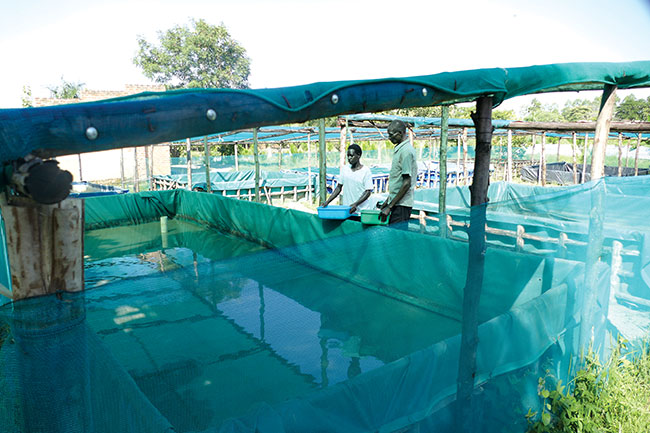
Authorisation granted on 28 January 2026 under the European Union’s updated public health list of approved countries brings to a close years during which Uganda was barred from exporting aquaculture-derived animal products to the bloc.
For Kampala, the milestone goes far beyond a routine regulatory adjustment. It marks a strategic victory in the country’s effort to transform agriculture into a high-value export engine.
The green light followed the submission of a detailed control framework proving that Uganda’s aquaculture industry complies with the EU’s strict sanitary and public health requirements. Authorities say sustained reforms, investment in fish breeding systems, and upgrades to commercial ponds were instrumental in securing the decision.
Momentum gathered in 2020 when the National Animal Genetic Resources Centre and Data Bank rolled out an initiative to revitalise breeding programmes and establish commercial-scale facilities aligned with international standards.
While Uganda has long shipped coffee, tea, fresh produce and processed foods to Europe, animal-based products including farmed fish faced persistent compliance barriers. The latest approval closes that gap, enabling farmed tilapia and other finfish to re-enter a premium market that previously absorbed about 75 percent of Uganda’s fish exports, largely sourced from wild Nile perch.
The numbers behind the ambition
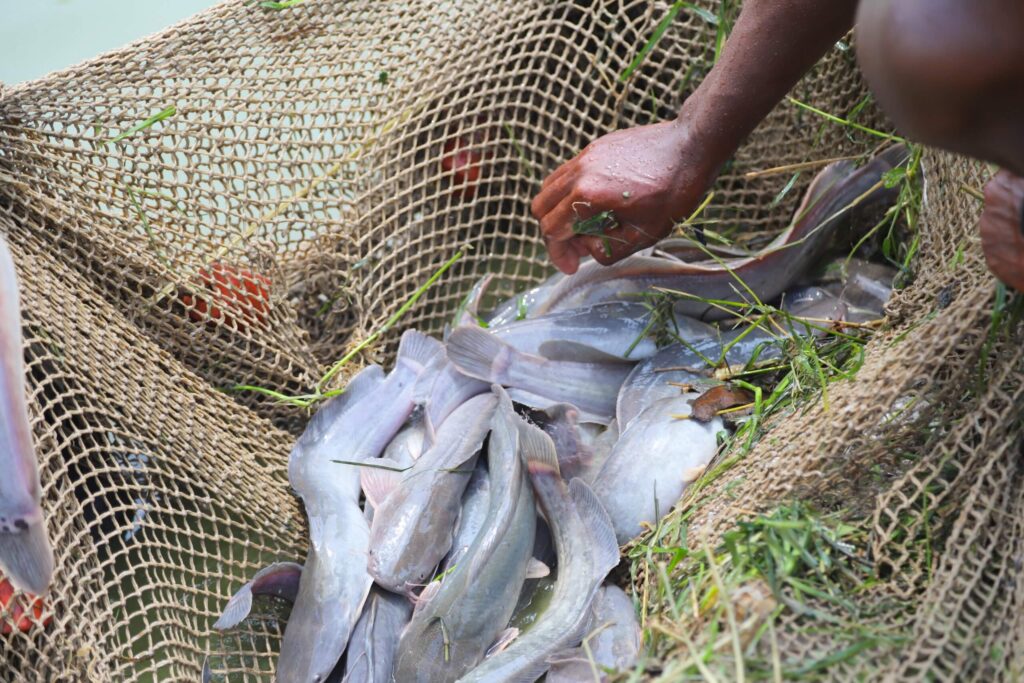
Financially, the stakes are significant. The government has set a fish export target of $698 million for the 2024–2025 financial year — roughly $730 million in current dollar terms. By comparison, annual export earnings have historically ranged between $120 million and $160 million, with most volumes coming from wild catch fisheries.
Officials see aquaculture as the bridge to that higher target. Plans are in place to raise production to 1.3 million metric tonnes by 2029, positioning farmed fish as a central pillar of export expansion.
Before the EU clearance, aquaculture contributed just 2.4 percent of Uganda’s formal export value. That share is expected to climb as commercial farms some already exporting up to 70 percent of output within the region pivot toward the stronger margins offered by European buyers.
The development dovetails with Uganda’s broader export-led growth strategy, which aims to double total national exports from $6.3 billion to $12 billion by 2030.
Industry players argue that access to the EU will unlock fresh investment in fish farming, processing capacity and cold-chain logistics, while reinforcing stricter compliance with traceability and sustainability benchmarks.
Compliance as the growth catalyst
Maintaining market access will depend on continued vigilance. Exporters must uphold rigorous food safety controls, environmental safeguards and full traceability to preserve approval and potentially expand into additional product lines.
For a sector largely made up of small and medium-scale producers, the opportunity comes with heightened expectations. Meeting global standards is no longer optional but essential for competitiveness.
Handled effectively, analysts suggest, the breakthrough could elevate aquaculture from a marginal contributor to a multi-hundred-million-dollar export industry boosting rural incomes and deepening Uganda’s integration into global value chains.
For investors tracking Africa’s agribusiness transformation, the approval signals a shift toward higher-value, standards-driven exports and a more globally competitive agricultural sector.