

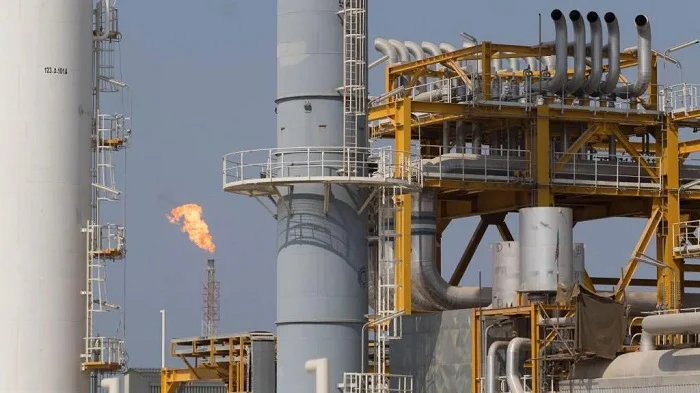
Oil and gas prices surged sharply after attacks targeted energy infrastructure in the Middle East, including Qatar’s main gas facility.
In early trading, wholesale gas prices in the UK and Europe jumped about 25% before easing slightly, while European gas now costs more than double the levels seen before the US-Israeli conflict with Iran began.
Crude oil prices also climbed, with Brent crude rising as much as 10% to over $119 a barrel before retreating. UK gas is currently trading around 175p per therm, up roughly 25%.
The spike follows Wednesday evening’s strike on Iran’s South Pars gas field, one of the world’s largest natural gas facilities. Iran retaliated by targeting Qatar’s major liquefied natural gas export hub at Ras Laffan, causing significant damage and raising fears of global supply disruptions.
The attacks in Ras Laffan came after reports that Israel hit Iran’s petrochemical facilities at South Pars.
Financial markets reacted to the news, reflecting investor concern over potential economic fallout from a prolonged regional conflict. Japan’s Nikkei fell 3.4%, while London’s FTSE 100 dropped 1.7% on Thursday morning.
Matthieu Favas, commodities editor at The Economist, told the BBC that the surge in gas prices was “huge,” noting that several missiles struck the Qatar facility, making a quick restart unlikely. He added that Ras Laffan alone provides roughly a fifth of global LNG, which explains the market’s strong reaction, though prices remain below the peaks seen after Russia’s invasion of Ukraine.
Iran’s military warned of “decisive action” in response to attacks on its energy infrastructure, stating that it considers striking the fuel, gas, and energy facilities of aggressor countries legitimate and will retaliate strongly at the earliest opportunity.
Qatar, which also operates on the gas field (known as North Dome), had already halted production earlier in March due to the conflict. Following the strike, the country’s interior ministry said it had “initially brought the fire in Ras Laffan under control” with no reported injuries.
Nick Butler, former head of strategy at BP, told the BBC that the attack will likely cut off a portion of LNG supply to the global market. He warned that Ras Laffan’s gas cannot be quickly replaced, potentially keeping prices elevated for an extended period.
In response to rising oil prices, the White House announced a 60-day suspension of the Jones Act, which normally requires goods transported between US ports to use American-built ships. The waiver allows foreign-flagged vessels to transport oil, natural gas, fertiliser, and coal, although maritime groups said this measure would have limited impact, as the primary driver of higher prices is supply, not shipping costs.
Efforts by world leaders, including strategic releases of oil reserves, have so far had minimal effect in lowering prices.
Separately, Iran has suspended gas exports to Iraq to secure domestic supplies, with most of the country’s gas 94% used internally, according to the Gas Exporting Countries Forum.