

Heineken faces widespread job cuts globally, its South African operations are showing resilience.
Heineken has announced plans to cut between 5,000 and 6,000 jobs worldwide under its new EverGreen 2030 strategy, aiming to boost efficiency and achieve gross savings of up to €500 million (around $540 million). The restructuring will primarily affect Europe and other non-priority markets, streamlining operations to accelerate growth.
South Africa, however, is bucking the global trend. In its full-year 2025 results, Heineken highlighted the country as one of its strongest markets, with “excellent growth” in beer volumes and stable or improved market share, particularly in the premium segment. Popular brands such as Amstel and Heineken contributed significantly to this performance, cementing South Africa’s status as a priority growth market.
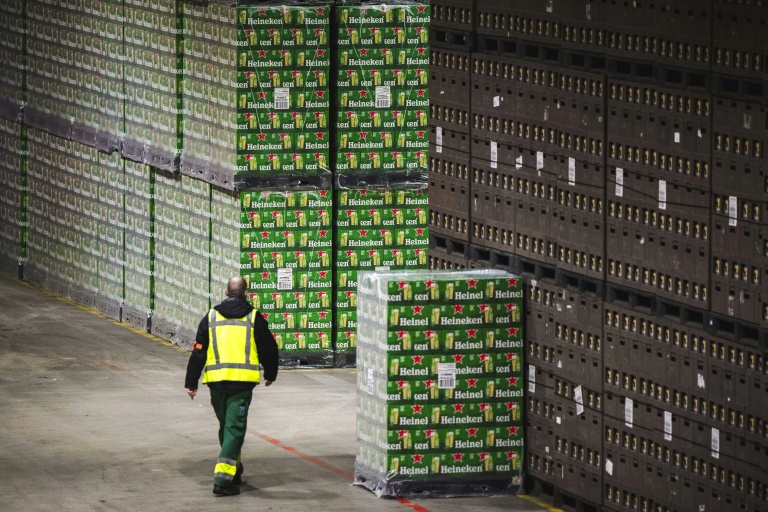
Chief Financial Officer Harold van den Broek confirmed that the job cuts will focus on Europe and non-priority markets, leaving South Africa largely insulated from retrenchments.
At the center of Heineken’s local operations is the Sedibeng brewery in Midvaal, south of Johannesburg, which produces up to 8.5 million hectolitres annually. The site features the group’s largest solar installation, with 14,000 panels generating roughly 30% of the plant’s power, helping to mitigate the impact of South Africa’s ongoing electricity challenges.
This renewable energy capacity is part of Heineken’s broader “Future Fit” ambitions under EverGreen 2030, demonstrating operational resilience in markets with infrastructure constraints.
Water sustainability is also a key priority, with South Africa classified as water-stressed. Heineken aims to achieve a water-to-beer ratio of 2.4 hectolitres of water per hectolitre of beer at its local plants by 2030.
Chief Executive Dolf van den Brink noted that EverGreen 2030 builds on previous progress with a sharper strategy, clearer resource allocation, and a stronger focus on value creation. He added that accelerating growth will require significant cost interventions over the next two years, even as the company remains cautious about short-term beer market conditions.
For now, South Africa stands out as a rare growth engine in a challenging global market, raising questions about whether continued consumer demand and operational innovation can sustain local jobs as Heineken reshapes its worldwide footprint.