

Kenyan authorities have stopped a second fuel shipment from docking at the Port of Mombasa as probes deepen into a disputed cargo import arrangement, increasing pressure on the country’s oil supply system and leading to top-level resignations.
The action follows mounting concerns over an earlier consignment that had already been integrated into Kenya’s fuel distribution network but was later questioned due to irregularities in its procurement and handling under the government-to-government import scheme.
That first shipment, now under intense investigation, sparked alarm among regulators and government officials, prompting a wider inquiry into possible exploitation and manipulation of the import framework.
The ongoing probe has led to the exit of key figures in Kenya’s energy sector, amid claims of altered fuel stock data and the acquisition of an emergency shipment at inflated costs.
Those who have stepped down include Energy and Petroleum Regulatory Authority Director-General Daniel Kiptoo, Kenya Pipeline Company Managing Director Joe Sang, and Petroleum Principal Secretary Mohamed Liban.
The government indicated that falsified data was used to justify the urgent importation of fuel, despite existing agreements with Saudi Aramco Trading Fujairah, ADNOC Global Trading Ltd, and Emirates National Oil Company Singapore Ltd, all of which are reportedly fulfilling their contractual duties.
Energy and Petroleum Cabinet Secretary Opiyo Wandayi stated that insights from the first cargo triggered the decision to block a second shipment en route to Mombasa.
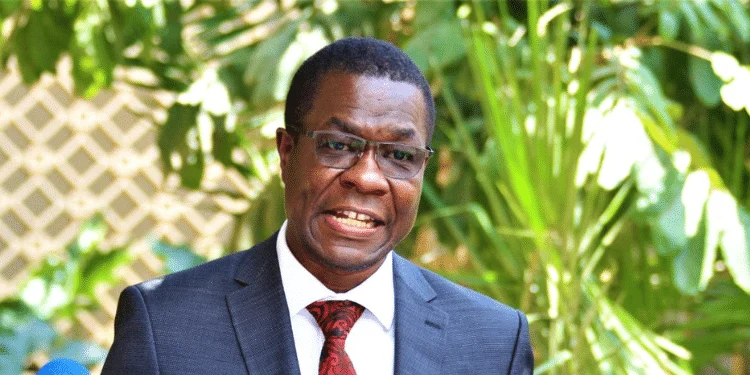
This development comes as worries grow over misconduct within the sector, alongside concerns about potential supply instability linked to tensions in the Middle East.
“The government wishes to assure the public that the situation is under control. When full information about the fuel shipment that is the subject of investigations emerged, we stopped the delivery of a second cargo under similar circumstances, thus protecting and securing public interest,” Wandayi stated.
While addressing residents in Narok, President William Ruto adopted a firm stance, attributing the situation to entrenched cartels and external pressures tied to instability in the Middle East.
“We have a problem related with the Middle East, and they are trying to bring another confusion here in Kenya. I must say for the record, this is the administration that is going to deal firmly, decisively and conclusively with all cartels,” Ruto said.
He further noted that his government intends to dismantle long-standing networks in the oil industry, similar to actions taken in the coffee and tea sectors since assuming office.
Even with the disruption, authorities have sought to reassure the public about fuel availability. Wandayi stressed that existing petroleum reserves are adequate to meet demand and that the country’s supply system remains stable.
“We further wish to reassure the public that there are sufficient stocks of petroleum products to meet current demand,” he said, reaffirming the government’s commitment to maintaining a steady supply of quality fuel for both Kenya and neighboring markets.
The ministry has also initiated an internal audit of petroleum management systems aimed at improving transparency and safeguarding the integrity of the supply chain, warning that there will be zero tolerance for cartels, profiteers, or individuals seeking to exploit the situation.