

The move is part of efforts to attract major international energy firms back to the country and increase daily oil output by 850,000 barrels over the next 25 years. Among the successful bidders were U.S. energy giant Chevron and Nigeria’s Aiteo.
Other licenses were granted to consortiums including Spain’s Repsol partnering with BP, Repsol with Hungary’s MOL Group, and Eni North Africa alongside QatarEnergy.
Speaking at the announcement ceremony, National Oil Corporation (NOC) chairman Masoud Suleman described the development as a restoration of confidence and institutional stability in one of Libya’s most vital sectors after years of disruption. He pledged transparency, fairness, and a commitment to maximizing national revenue.
Libya currently produces about 1.5 million barrels of oil per day and holds Africa’s largest proven reserves, estimated at 48.4 billion barrels. However, the industry has struggled with security and political instability since the 2011 NATO-backed uprising that led to the fall of Muammar Gaddafi.
Suleman emphasized that the new agreements represent more than administrative decisions, calling them part of a broader national strategy focused on economic growth, stability, and prosperity.
Last month, Libya signed investment deals worth over $20 billion with TotalEnergies and ConocoPhillips aimed at boosting oil production over the next quarter-century.
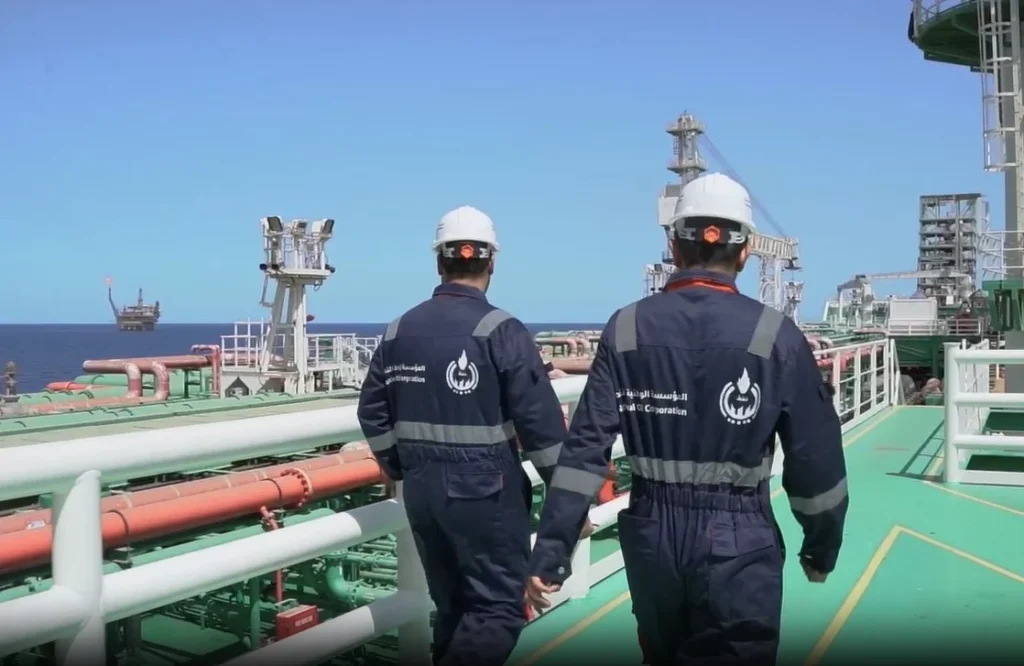
The NOC had offered 20 blocks for bidding, including 11 offshore, though none of the offshore blocks received proposals. Five blocks were ultimately awarded, with another licensing round expected later this year.