

Japanese stock markets reached unprecedented levels on Monday following a decisive victory for Prime Minister Sanae Takaichi’s Liberal Democratic Party (LDP) in Sunday’s election.
The LDP won 316 of 465 seats in the lower house, achieving a two-thirds majority for the first time since Japan’s current parliamentary system was established in 1947. Its coalition partner, the Japan Innovation Party, added 36 more seats, bringing their combined total to 352.
Takaichi’s triumph signals strong public backing for her agenda, but she now faces the formidable task of revitalizing Japan’s sluggish economy and addressing rising living costs.
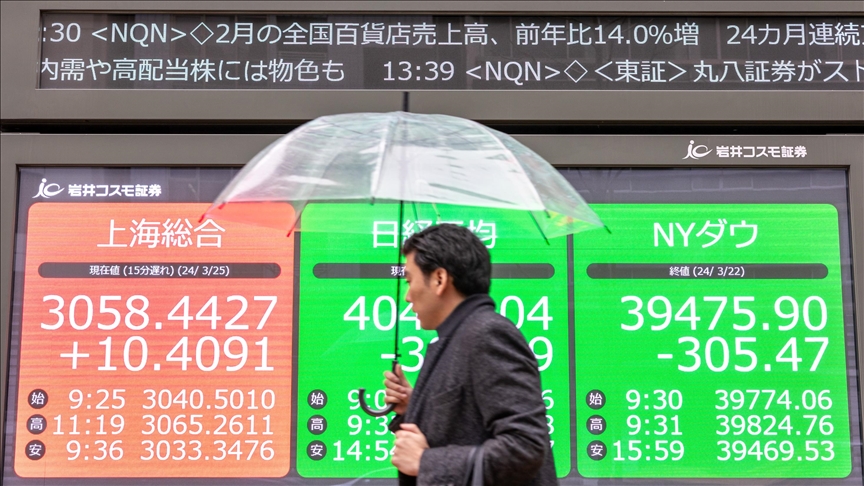
The Nikkei 225 index jumped more than 5% in early trading, briefly surpassing 57,000 points a record high before settling with a 3.9% gain at 56,363.94. Analysts say the LDP’s commanding win provides Takaichi with the political leverage to implement pro-business policies without extensive opposition negotiation.
In a Sunday press briefing, Takaichi described her approach as “responsible yet ambitious” and confirmed that she will not reshuffle the cabinet, formed just four months ago.
Japan’s first female prime minister called the snap election shortly after taking office in October, contrasting sharply with her two predecessors, under whom the party lost its majority, struggled with corruption issues, and grappled with escalating living costs.
Market commentators are optimistic that Takaichi’s policies could boost growth. Yuka Marosek, an investment analyst, told the BBC that measures such as stimulus, tax adjustments, and deregulation are likely to reinforce a bullish trend in equities.
Chris Scicluna of Daiwa Capital Markets Europe noted that investors in Japanese stocks have long backed Takaichi, expecting her to drive investment in sectors like AI and defence. However, he cautioned that bond and yen investors remain skeptical, concerned about how her plans will be financed amid Japan’s high government debt.
Voters cited rising prices for food and housing as key concerns, while economic challenges are compounded by an ageing population and mounting social care costs. Takaichi has promised tax cuts and increased spending to stimulate growth, though critics warn this could heighten fiscal risks.
Her personal appeal, including outreach to younger voters and cultural touches like handbags and pink pens, has helped consolidate support across demographics.
US President Donald Trump congratulated Takaichi on her victory, noting his endorsement of her prior to the election.
She is expected to visit Washington in March for a follow-up meeting with Trump, continuing her early diplomatic engagements.