

Lawmakers in Nigeria have endorsed a $6 billion external borrowing plan involving Citigroup and First Abu Dhabi Bank, as authorities look to secure additional funding to meet growing expenditure demands and ease fiscal strain.
The approval, tied to the 2026 budget, permits Africa’s largest economy to source $5 billion from First Abu Dhabi Bank and $1 billion from Citigroup. These funds are earmarked for infrastructure development, settling outstanding liabilities from past budgets, and servicing existing debt.
This borrowing plan comes as the country expands its 2026 budget to approximately $49.4 billion, reflecting increased spending on capital projects and commitments carried over from previous fiscal years.
Government officials indicated that accessing external financing would help ease pressure on the local credit market, where sustained public borrowing has limited private sector access to funds and driven up interest rates.
Roughly 40% of the newly secured loans will be directed toward capital expenditure within the 2025 and 2026 budgets, highlighting the administration’s continued emphasis on infrastructure to drive economic growth.
Despite this, the decision highlights ongoing fiscal difficulties facing Nigeria.
The national budget deficit is expected to rise beyond 6% of gross domestic product around $22.7 billion following the upward adjustment in spending.
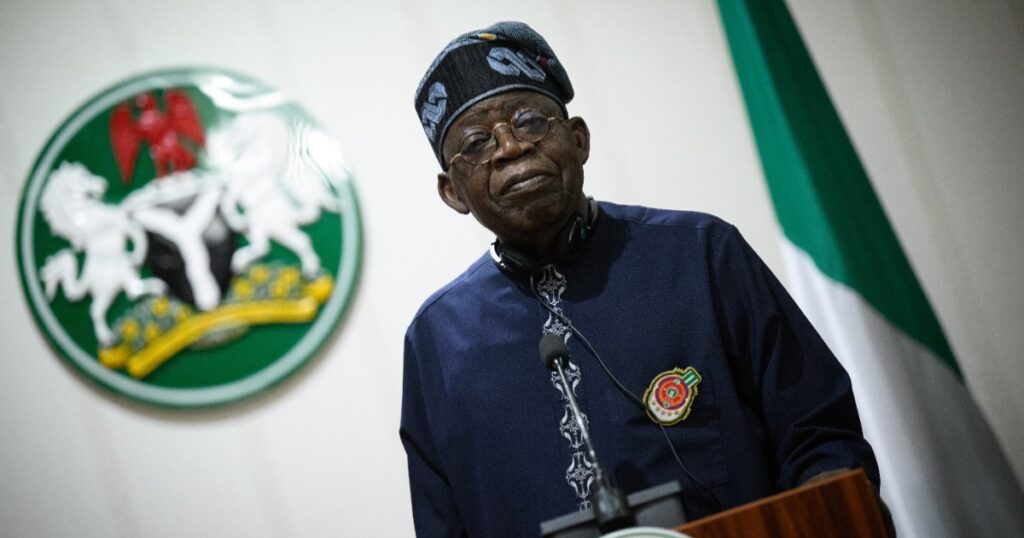
Since assuming office, President Bola Tinubu has rolled out major economic reforms, including the removal of fuel subsidies and the liberalisation of the foreign exchange system, aimed at strengthening public finances and attracting investment.
Although these policies have boosted government revenue, they have also created short-term economic pressure, increasing reliance on borrowing to close funding gaps.
The 2026 fiscal plan is built on an oil price benchmark of $75 per barrel, with economic growth projected at 4.68%, slightly exceeding estimates by the World Bank.
Members of parliament noted that the additional borrowing would ensure the completion of stalled projects from earlier budgets and prevent them from burdening current fiscal plans.
The approved budget and borrowing proposal will now be forwarded to the president for final approval.