

Nigeria is now ranked among the countries most affected by the global surge in fuel prices sparked by rising tensions between the United States, Iran, and Israel, even though it remains one of Africa’s top oil producers and hosts the continent’s largest refinery.
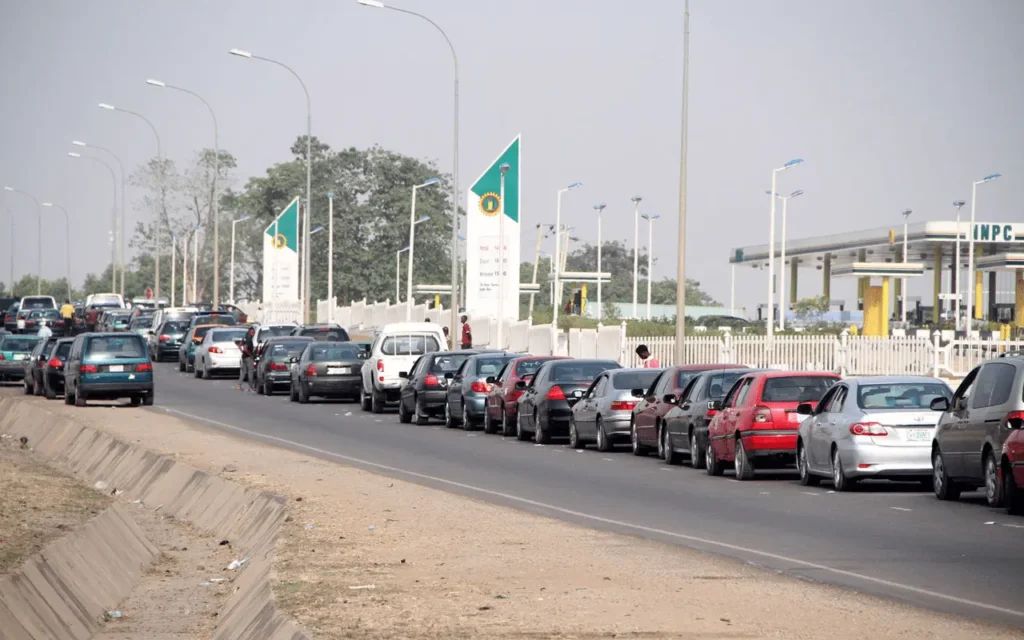
According to data from Investorsight, petrol prices in Nigeria have jumped by 39.5%, placing the country second worldwide behind Vietnam, a trend that exposes ongoing weaknesses in its downstream petroleum sector.
Crude oil continues to be the backbone of global energy, supplying about 70% of demand and supporting key sectors such as transport and agriculture.
With geopolitical conflicts disrupting supply routes and threatening vital shipping channels, price shocks are hitting countries differently, with those reliant on imports and weaker refining capacity experiencing the greatest impact.
Fuel costs in Nigeria have climbed significantly since the onset of the Iran conflict, underlining the nation’s vulnerability to global oil market fluctuations.
At the refinery level, the Dangote Refinery raised its ex-depot price from roughly ₦774 to ₦874 per litre in early March, representing an increase of about 13%, while pump prices in some locations rose to between ₦1,075 and ₦1,175 per litre.
At the same time, NNPC Limited implemented even higher increases, with retail prices jumping from ₦900–₦1,000 to between ₦1,200 and ₦1,400 per litre across major cities, marking a 30–40% rise.
In total, the average price of petrol in Nigeria has surged by nearly 40%, showing how quickly international market disruptions translate into domestic price increases.
With the deregulation of fuel pricing, both wholesale and retail prices now adjust swiftly to changes in crude oil costs, exchange rates, and supply uncertainties, making the country more exposed to global volatility.
The spike in fuel prices highlights a long-standing contradiction within Nigeria’s energy industry. Despite exporting large volumes of crude oil, the country has depended heavily on imported refined products due to inefficient local refineries.
Although the Dangote Refinery—Africa’s largest—is gradually increasing output, Nigeria is still in a transition period, as domestic supply has not yet fully stabilized or eliminated the need for imports.
Furthermore, the deregulated downstream sector means local fuel prices are now closely tied to international oil benchmarks.
As a result, any geopolitical disruption, particularly in the Middle East affecting major routes like the Strait of Hormuz, quickly leads to higher fuel prices within the country.
The situation is worsened by currency depreciation, as a weaker naira raises the cost of importing fuel and crude, pushing retail prices even higher.
Meanwhile, some advanced economies are better able to manage such shocks due to strategic reserves, diversified energy sources, or subsidy systems that help absorb price fluctuations.
Nigeria’s position near the top of the global rankings therefore reflects not only external pressures but also enduring internal challenges related to refining capacity, supply chains, and foreign exchange stability.