

MPact, a major South African paper and plastics manufacturer, has announced plans to proceed with retrenchments as it contemplates closing its paper mill in Springs, east of Johannesburg, underscoring the growing challenges facing the nation’s manufacturing sector.
South African paper and plastics manufacturer MPact has announced that its board has approved a Section 189A retrenchment process, which could affect approximately 377 employees.
MPact is the largest paper and plastics packaging and recycling company in southern Africa, with a workforce of over 4,500 across the region. The company’s potential closure focuses on its Springs paper mill, the country’s only domestic producer of cartonboard, which has struggled to compete with cheaper imports.
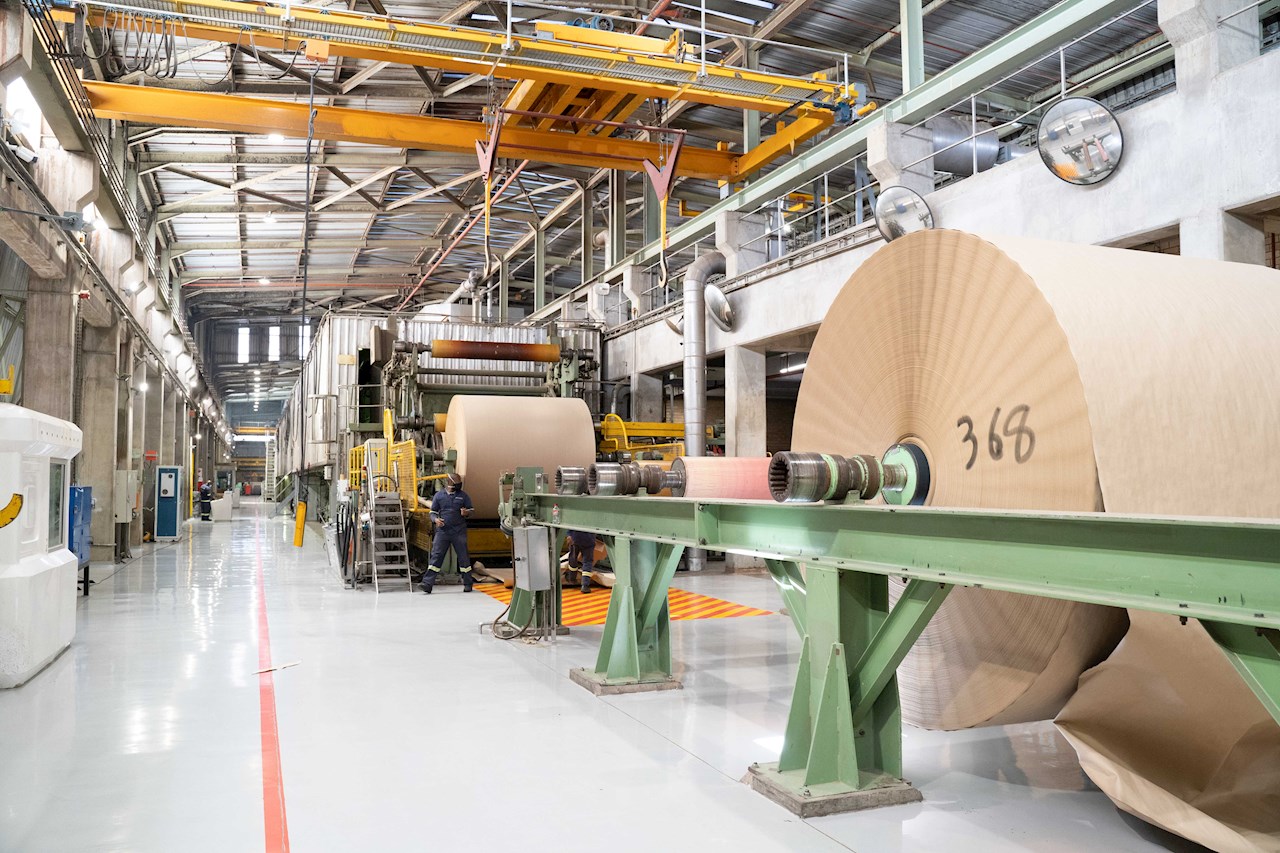
The company explained that key customers can now source imported cartonboard at prices roughly 20% below the mill’s production costs, a gap MPact has been unable to close despite sustained efforts. The situation worsened in January 2026, when the mill’s largest customer announced it would no longer purchase locally and would instead rely on imported supplies.
“Despite extensive efforts, MPact is unable to bridge the cost gap and unlikely to secure sufficient demand from other customers at sustainable prices,” the company said. Given these conditions, MPact is considering shutting down the Springs mill once all existing orders are fulfilled, with operations expected to continue until around the end of March 2026, depending on consultations and consideration of alternatives.
The potential closure highlights the broader challenges facing South Africa’s manufacturing sector. Rising global competition, a strong rand, and cheaper imports are putting significant pressure on local producers, even as the economy shows signs of recovery through improved electricity supply, infrastructure reforms, and stabilising macroeconomic conditions.
Founded in 2011 after a demerger from Mondi, MPact’s industrial roots date back to 1877, when a small cabinet-making business was established in Port Elizabeth, underscoring the historical significance of the possible shutdown.
As South African manufacturers contend with high input costs, weak domestic demand, and increased exposure to global pricing, uncertainty around trade access to markets such as the United States further threatens the competitiveness of local production.