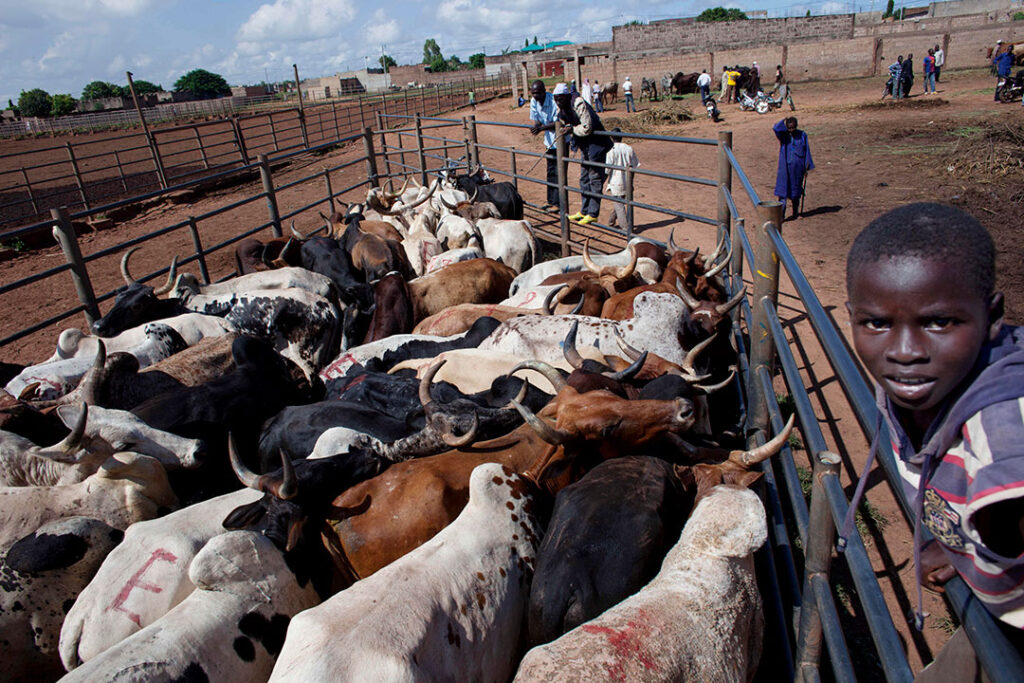

US legislators have proposed halting beef and cattle exports from Nigeria to pressure armed factions associated with Fulani herders to disarm, in response to years of rising violence in the nation’s Middle Belt region.
A recent US report titled “Ending the Persecution of Christians in Nigeria” recommends halting exports of beef and other cattle products from Nigeria as a strategy to pressure armed groups linked to Fulani herders to disarm. The recommendations follow US investigations into attacks attributed to Fulani militias and other armed factions operating in the country’s Middle Belt.
The report urges Washington to leverage all available tools, including trade restrictions, to compel disarmament and curb ongoing violence. Specifically, it proposes blocking Nigerian beef exports to major African markets such as Ivory Coast, Ghana, South Africa, and Senegal. Lawmakers frame the measure as an economic pressure tactic aimed at disrupting financial networks tied to pastoralist groups accused of driving instability.
Over the past decade, Nigeria has faced a complex security landscape, from insurgencies in the northeast to banditry in the northwest, alongside recurring farmer-herder clashes in the Middle Belt. States such as Benue, Plateau, and Kaduna have repeatedly seen deadly confrontations over land, grazing rights, and resource control, leaving thousands killed or displaced and targeting churches, schools, and farmland.
Despite these challenges, Nigeria’s cattle industry remains largely domestic-focused. United Nations COMTRADE data show total exports of meat and edible meat offal valued at roughly $200,660 in 2021. The World Bank’s World Integrated Trade Solution indicates around 44,510 kilograms (44.5 tonnes) of frozen boneless beef were exported the same year, worth about $33,000—highlighting the sector’s limited overseas reach.
However, Minister of Livestock Development Mukhtar Maiha has emphasized the country’s potential to generate over N3.2 billion annually from red meat exports, signaling ambitions to strengthen the industry as a significant revenue source.
The proposed trade restrictions also reflect growing US frustration with Nigeria’s handling of security threats. Lawmakers are calling on Abuja to deploy more effective security forces, implement early-warning systems, and hold perpetrators accountable. While the US has traditionally partnered with Nigeria in counterterrorism efforts against groups like Boko Haram and Islamic State West Africa Province (ISWAP), the beef export proposal introduces a new economic dimension to American engagement.
Experts warn that halting cattle exports could have wider implications for regional trade, given Nigeria’s central role in West Africa’s livestock supply chain. Critics also caution that such broad measures may unintentionally harm lawful pastoral communities rather than armed actors.
Beyond trade measures, the report outlines additional US actions aligned with the Trump administration’s strategy. Recommendations include negotiating a bilateral agreement to protect vulnerable Christian communities, combat jihadist activity, enhance economic cooperation, and counter regional threats.
Lawmakers further urge enforcing the FY26 National Security and State Department Appropriations Act, which would withhold certain US funding until Nigeria takes steps to halt religious violence.
The report also calls for designating perpetrators under Country of Particular Concern (CPC) Presidential Directives, imposing targeted sanctions, maintaining visa restrictions, and repealing Sharia-based criminal and anti-blasphemy laws cited in enabling persecution.
Taken together, these proposals signal a tougher US approach, blending diplomatic, economic, and legal pressure to address Nigeria’s security and human rights challenges.