

HILL AIR FORCE BASE, Utah, Feb 15, For the first time, the U.S. Departments of Energy and Defense transported a small nuclear reactor by cargo plane, flying it from California to Utah to showcase the potential for rapid deployment of nuclear power for both military and civilian applications.
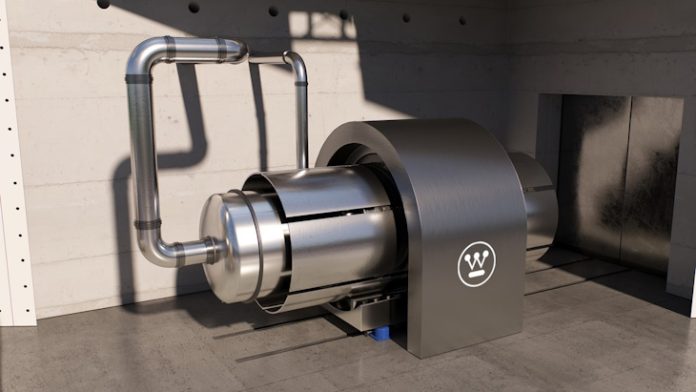
The operation involved a Ward microreactor from California-based Valar Atomics, flown aboard a C-17 aircraft to Hill Air Force Base without nuclear fuel. Energy Secretary Chris Wright and Under Secretary of Defense for Acquisition and Sustainment Michael Duffey were aboard the flight, hailing it as a major milestone for U.S. nuclear energy and military logistics.
“This brings us closer to deploying nuclear power wherever and whenever needed, giving our nation’s warfighters the tools to succeed,” said Duffey.
The Trump administration has promoted small nuclear reactors as part of its strategy to expand U.S. energy production, issuing executive orders last May to accelerate domestic nuclear deployment and meet energy demands critical for national security and technological competitiveness. The Energy Department also awarded grants last December to support the development of small modular reactors.
Microreactors, proponents argue, offer a mobile energy solution for remote locations, serving as alternatives to diesel generators that require frequent refueling. Yet critics caution that the technology remains expensive compared with larger nuclear plants and renewable sources like wind and solar. Edwin Lyman, director of nuclear power safety at the Union of Concerned Scientists, noted: “Even if microreactors work as intended, they will produce electricity at a far higher cost than traditional nuclear or renewable energy.”
The reactor transported Sunday is roughly the size of a minivan and can generate up to 5 megawatts enough to power about 5,000 homes. It will initially operate at 100 kilowatts in July, ramping up to 250 kilowatts this year before reaching full capacity, according to Valar CEO Isaiah Taylor. Valar aims to begin test sales of power in 2027, with full commercial operations targeted for 2028.
Fuel for the reactor will be transported from the Nevada National Security Site to Valar’s San Rafael facility. Despite its size, the microreactor still produces radioactive waste, a concern that critics say has yet to be fully addressed. The Energy Department is in discussions with states, including Utah, about potential sites for fuel reprocessing or permanent disposal.
The department also plans for three microreactors to reach “criticality” the point where a nuclear reaction sustains itself by July 4, demonstrating progress in the technology’s development.