

Shipping interruptions along the Strait of Hormuz are starting to affect African economies, putting pressure on fertiliser availability, industrial supplies and trade activity, while driving up freight costs and financial strain in several countries.
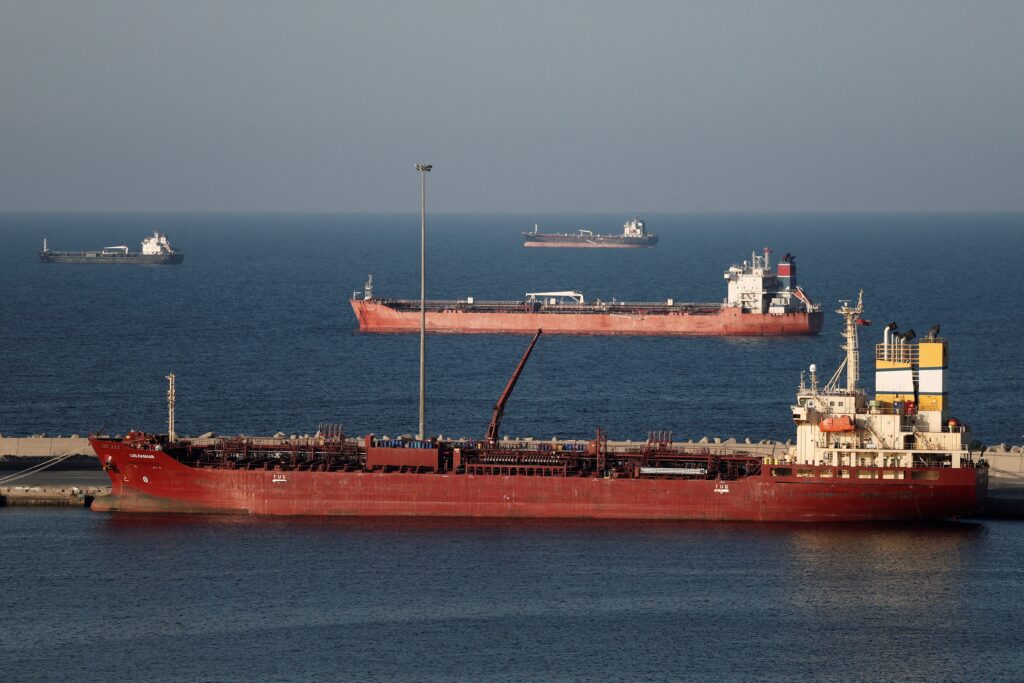
The limited closure of the Strait of Hormuz, alongside ongoing tensions in the Red Sea, has compelled ships to reroute via the Cape of Good Hope, extending transit times and increasing freight charges and insurance costs for African trade, according to Atlas Institute.
Transport expenses for vessels passing through the Strait of Hormuz have reached record highs, with tanker charter rates climbing above $400,000 per day, while war-risk insurance premiums have surged to about 3% of a ship’s value, compared to roughly 0.25% before the conflict.
This rerouting is also putting pressure on Suez Canal revenues, as vessels avoid the Bab al Mandab Strait, a narrow passage linking the Red Sea to the Gulf of Aden between Yemen and the Horn of Africa, and a crucial access point to the canal.
Experts note that the disruption has sparked a global “flight to safety,” boosting the strength of the US dollar while weakening several African currencies, thereby increasing the cost of servicing dollar-based debt and raising import expenses for food, fertilisers and industrial materials.
Fertiliser supply risks for African agriculture
Beyond oil and gas, shipments of dry bulk cargo through the Strait of Hormuz dropped sharply from 7.5 million tonnes in February to 1.3 million tonnes in March, representing an 83% decline, according to maritime data firm AXSMarine.
Fertilisers have become one of the most pressing concerns for Africa’s food security, with volumes moving through the strait plunging by 92%, from over one million tonnes in February to just 82,000 in March.
Urea and other nitrogen-based fertilisers, essential for crop production, are commonly transported through this route to destinations such as Brazil, China, India and African markets.
Data shows that Gulf countries account for about 16.7% of Africa’s fertiliser imports and up to 25% of nitrogen fertilisers, leaving East and Southern Africa particularly vulnerable.
Rice supplies are also under threat, as grain shipments heading west through the strait into the Gulf dropped by 92%, from 2.3 million tonnes to 196,000.
Key exporters to Africa—including India, Pakistan and Thailand—source between 20% and 30% of their fertilisers from the Gulf, meaning ongoing disruptions could push rice prices higher later in the year.
Industrial commodities and mining inputs disrupted
Industrial raw materials have also been affected, including bulk goods such as limestone for cement production, sulphur used in fertilisers and industrial processes, and gypsum for construction and manufacturing.
Copper producers in Zambia and the Democratic Republic of Congo depend on imported sulphur for processing minerals, while their finished copper is exported to markets in Asia, Europe and the Middle East.
Total shipments of these materials through the strait dropped by 93% in March, falling from nearly five million tonnes to just 326,000.
Iron ore and steel trade affected
Trade in iron ore has also been impacted, with exports through the Strait of Hormuz declining by 65% in March, from over 530,000 tonnes to 186,000, while steel shipments fell by 93%, from nearly 162,000 tonnes to 11,000, based on AXSMarine figures.
The route is a vital corridor for industrial goods, linking African producers such as South Africa, Mauritania, Sierra Leone and Guinea to major steel markets in China, India, the United Arab Emirates and Saudi Arabia.
Finished steel from these regions is also transported to African importers including Nigeria, Egypt, Kenya and Tanzania for infrastructure, construction and manufacturing use.
As tensions escalate, analysts warn that wealthy Gulf nations may reconsider or postpone planned investments in Africa, while job instability for migrant workers in Gulf economies could disrupt remittance flows to countries like Kenya and Uganda.