

The 166 members of the World Trade Organization launched a crucial ministerial conference on Thursday in Yaounde, amid sharp disagreements over the institution’s direction as global trade faces pressures from geopolitical tensions, rising protectionism, and the repercussions of the Middle East conflict.
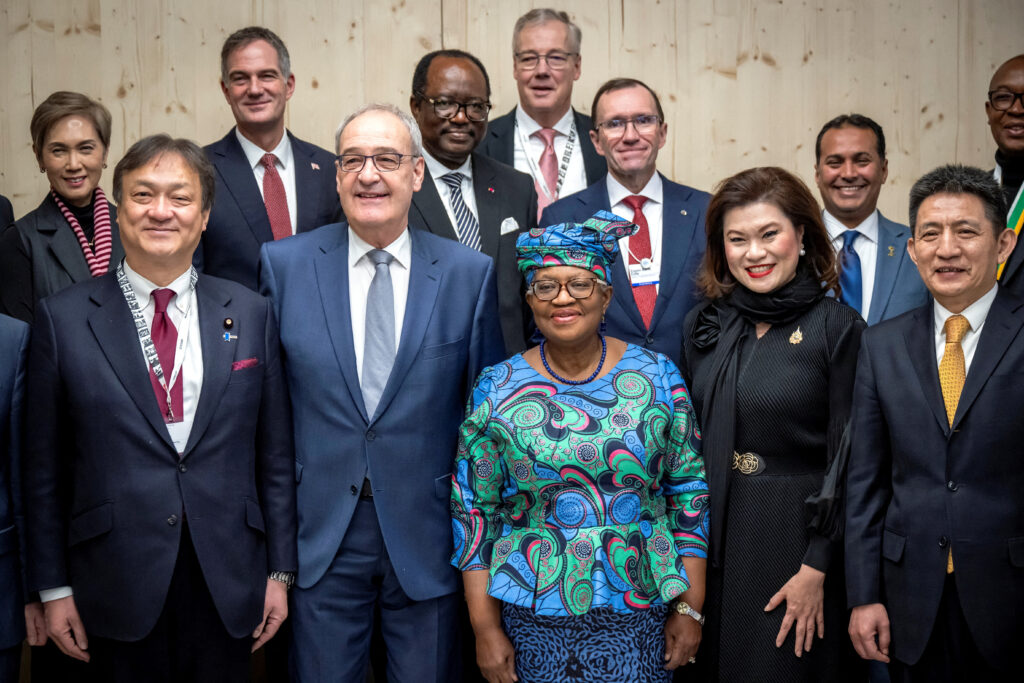
A Western diplomatic official described the atmosphere ahead of the gathering as “tense,” highlighting broader fractures within the international trading system.
Ngozi Okonjo‑Iweala, the WTO’s Director-General, called on members to “open the next chapter of the multilateral trading system,” condemning what she described as growing unilateral actions and a “collective failure” to address longstanding grievances.
Reform deadlock
The organisation’s dispute settlement mechanism has been effectively stalled since 2019, and its consensus-driven decision-making process often delays progress. Many members recognize that urgent reform is needed.
European Trade Commissioner Maroš Šefčovič stressed the need for “serious” reforms to address issues like overcapacity and market distortions. The United Kingdom warned that without significant changes, the WTO risks becoming “irrelevant.”
However, deep disagreements persist. The United States, during the Trump administration, questioned the “most‑favoured nation” principle, whereas China maintains that it must remain fundamental. Analysts are skeptical that the Yaoundé meeting will yield major breakthroughs on core reform topics.
High stakes
Former WTO chief Pascal Lamy noted that the conference would test whether the organisation can still play a meaningful role in reducing trade barriers at a time when many nations are raising them.
Given that previous ministerial meetings have struggled to resolve key issues, Yaoundé is viewed as a critical moment for the WTO’s continued relevance in global trade governance.