

Zambia is preparing to begin discussions on a new economic programme with the IMF, but authorities say the agreement will only be concluded after the August elections. Finance Minister Situmbeko Musokotwane indicated that negotiations will commence “almost immediately,” offering the clearest timeline so far from Lusaka.
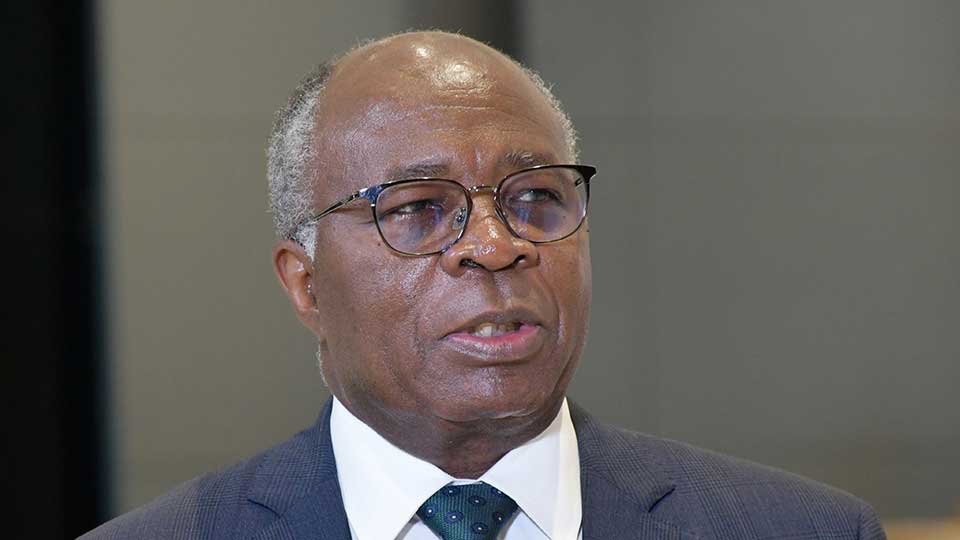
In an interview in Cape Town, Finance Minister Situmbeko Musokotwane explained that the IMF prefers to negotiate with an administration that has enough time in office to fully implement agreed reforms, indicating the lender would rather finalize talks after the elections.
Why a fresh IMF programme is necessary
Zambia’s previous IMF arrangement — a $1.7 billion Extended Credit Facility approved in 2022 came to an end in January. The programme played a key role in guiding the country through a complicated debt restructuring process following its historic 2020 default.
Initially, Zambia had requested $1.3 billion in support, but the amount was later increased to strengthen economic stability and avert a deeper downturn. The IMF recently completed the sixth and final review of the programme, releasing an additional $190 million.
Although the government had considered extending the arrangement for one year to access an extra $145 million, it ultimately abandoned that plan. Instead, Lusaka opted to pursue an entirely new programme aligned with improving economic conditions and a renewed focus on long-term growth.
President Hakainde Hichilema, who is seeking re-election in August, assumed office in 2021 with a pledge to rebuild the economy after the default. Within months, his administration secured IMF backing, helped restore investor confidence, and introduced fiscal consolidation measures in 2022.
Musokotwane has maintained that prudent fiscal management will remain in place even during the transition between IMF programmes.
However, the political calendar presents challenges. Parliament is set to dissolve in May, raising doubts about whether a new agreement could realistically be finalized beforehand. The minister’s remarks suggest that conclusion of the deal will likely come after the elections.
In the short term, Zambia’s finances are benefiting from rising copper prices. The metal, which generates more than 70% of the country’s export earnings, is expected to drive stronger revenues amid increased production and higher global prices.
At the same time, government spending pressures are mounting. A constitutional amendment recently increased the number of parliamentary constituencies, adding further strain to the budget in an election year. Musokotwane acknowledged that a supplementary budget will be required to accommodate these additional costs.
With economic conditions stabilizing, the next IMF arrangement is expected to emphasize growth rather than crisis response. Key priorities are likely to include expanding employment opportunities, accelerating economic expansion, sustaining fiscal discipline, and advancing reforms following the debt restructuring.
Ultimately, substantive negotiations are expected to resume after August, when the outcome of the elections clarifies which administration will be responsible for implementing the new IMF programme.