

Zimbabwe is seeking international investors to support a new satellite initiative designed to improve the country’s telecommunications connectivity.
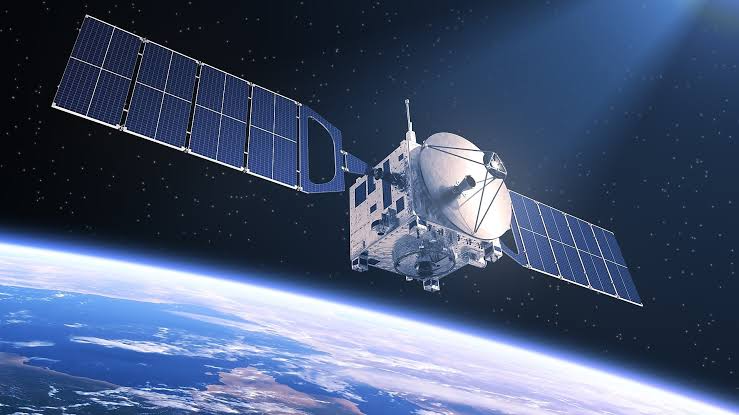
According to Zimbabwe’s Finance Minister, Mthuli Ncube, the government is opening the project to potential investors interested in partnering on the development of the satellite programme aimed at strengthening digital communication networks.
The southern African country launched its first mini satellite in November 2022 and followed it with a second in 2024. The planned project is estimated to require close to $200 million in funding, according to Bloomberg.
“We are looking for partners who can support us,” he said, adding that the project is expected to significantly enhance connectivity once completed.
Authorities also plan to launch the country’s third earth observation satellite, ZimSat-3, later this year, only months after successfully sending ZimSat-2 into orbit.
Zimbabwe’s first satellite, ZimSat-1, is currently used for several functions including monitoring drought conditions, tracking mining activities and collecting data through the Mazowe Ground Station.
Officials believe that the country’s growing involvement in space technology will play an important role in supporting broader national goals related to modernisation and industrial development.
Africa’s Growing Space Presence
Across Africa, many governments are increasingly investing in satellite technology for strategic and developmental purposes. Satellites are widely used for agriculture monitoring, climate observation, telecommunications and disaster management.
Government spending on space activities across the continent has averaged about $500 million annually in recent years. Countries such as Egypt, South Africa, Nigeria, Morocco, Algeria and Angola have been among the most active, maintaining investments in earth observation, communication and scientific satellites, often working with international partners.
Among these countries, Egypt currently operates 14 satellites, while South Africa has 12 and Nigeria seven, underscoring the rising significance of space infrastructure across the African continent.