

The formal search began last summer, Trump’s criticism of Powell and the Federal Reserve dates back much earlier, beginning soon after Powell assumed the role in 2018. Since then, Trump has repeatedly pressured the Fed to aggressively cut interest rates, a stance he maintained even after three rate reductions in late 2025.
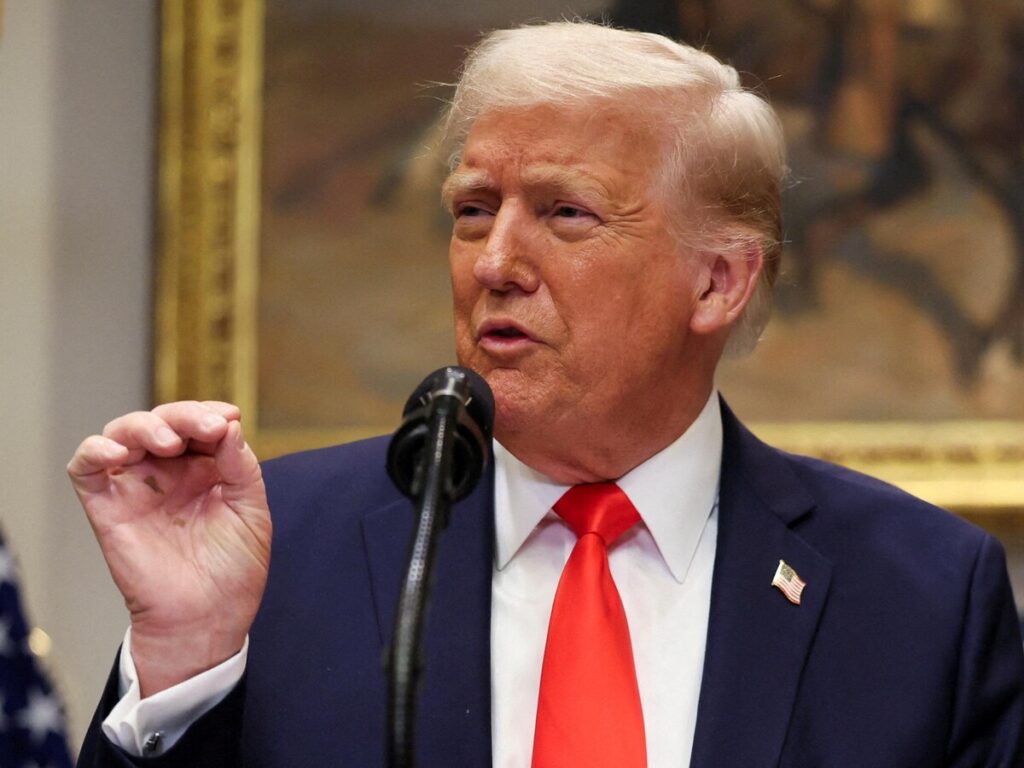
Announcing the decision on Truth Social, Trump praised Warsh, saying he had known him for many years and was confident he would become one of the most successful Fed chairs in history.
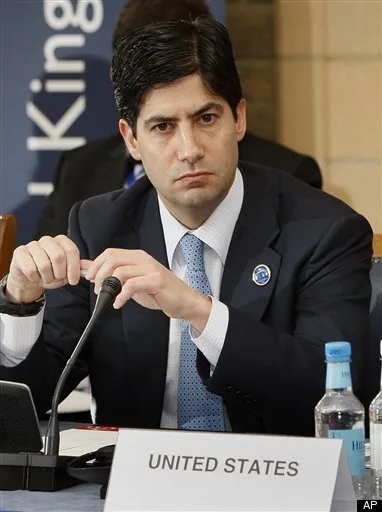
Warsh, previously served as a Federal Reserve governor and is viewed by financial markets as an experienced and credible figure. Analysts say his appointment is unlikely to cause immediate market disruption, as investors do not expect him to act purely at the president’s direction.
David Bahnsen, chief investment officer at The Bahnsen Group, told CNBC that Warsh commands respect within financial circles and would be seen as a serious policymaker. While noting that short-term rate cuts are widely expected regardless of leadership, Bahnsen said Warsh would likely prove credible over the longer term.
Despite that perception, Warsh has previously voiced sharp criticism of the Fed. In an interview last July, he called for “regime change” at the central bank, arguing that current leadership had undermined its credibility, comments that could place him at odds with an institution where consensus is central to decision-making.
Trump’s nomination comes at a particularly sensitive time for the Federal Reserve. Inflation remains above the bank’s 2% target, government borrowing is rising, and the Fed is facing unusually direct political pressure over its policy choices.
Tensions escalated further after the Justice Department subpoenaed Powell in relation to cost overruns tied to the Fed’s headquarters renovation in Washington. Powell responded forcefully, describing the probe as a pretext aimed at pressuring the central bank to loosen monetary policy.
The episode has intensified concerns over Federal Reserve independence, a cornerstone of its credibility. Trump and senior officials have openly discussed proposals that would increase White House oversight of the Fed, including requiring the chair to consult with the president on interest rate decisions.
Warsh emerged as the final choice from a crowded shortlist that initially included more than a dozen candidates, ranging from current and former Fed officials to economists and Wall Street executives. The selection process was overseen by Treasury Secretary Scott Bessent, with the field gradually narrowed before Trump signaled last week that a decision had been made.
The nomination now faces hurdles in Congress. Republican Senator Thom Tillis has said he will block Federal Reserve nominations until the Justice Department investigation concludes.
Beyond political challenges, economic conditions present a complex policy environment. Inflation has eased but remains elevated, while the labor market has slowed, creating a delicate balance for future rate decisions.
Market expectations suggest limited near-term action. Traders are pricing in no more than two additional rate cuts this year, with the federal funds rate expected to settle near 3%, which policymakers consider the long-term neutral level.
Questions also remain about Powell’s future. While past Fed chairs have typically stepped down from the board after losing the chairmanship, Powell still has two years remaining in his term as a governor and could choose to stay on. His decision may hinge on ongoing legal developments, including a Supreme Court case examining the president’s authority over Federal Reserve board members.