

Zimbabwe last week explained that government malpractice and revenue leakages motivated its bold move to ban lithium concentrate exports.
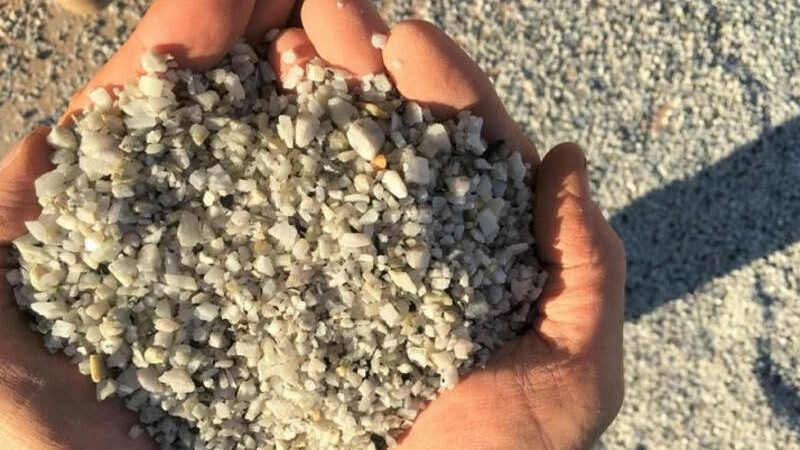
Polite Kambamura, the country’s Mines Minister, reinforced this reasoning, highlighting that widespread under-declaration by miners had become too significant to ignore.
He noted that the issue had grown so severe that the government had to advance its disciplinary timeline, implementing the ban a year earlier than initially planned.
Originally, the restriction on lithium concentrate exports was scheduled to take effect next year, but rising production and additional export permits prompted an immediate rollout.
“The ban will remain in place until the government’s conditions or new expectations are met,” Kambamura told reporters at a post-Cabinet briefing in Harare.
He added that the mere announcement of the ban caused lithium prices to rise, reflecting the market’s sensitivity to Zimbabwe’s policy decisions.
Following multibillion-dollar investments by firms such as Sinomine Resource Group, Zhejiang Huayou Cobalt Co., and Chengxin Lithium Group, Zimbabwe had become a critical supplier of lithium concentrate for Chinese refiners, according to Bloomberg.
This has prompted governments across Africa to push mining companies toward local processing and refining, aiming to capture more value from natural resources.
“The geology of our country is multi-element, meaning one deposit can contain several minerals, like our PGM deposits,” Kambamura explained, referring to platinum group metals.
“The same applies to pegmatite deposits, from which we extract lithium.”
He further clarified that the export ban applies not only to lithium concentrates but also to any raw or unprocessed minerals that have not undergone local value addition.
Last week, the Mines Ministry issued a statement to Reuters announcing the immediate and indefinite suspension of all raw mineral and lithium concentrate exports.
“Government expects cooperation from the mining sector on this measure, taken in the national interest,” the statement said.
It added that Zimbabwe is committed to in-country value addition, compliance, and accountability in mineral exports.
The ministry explained that export procedures will be realigned due to “continued malpractices during the exportation of minerals.”
“This review is part of a broader effort to curb leakages and improve efficiency within our systems,” the statement concluded.