

Niger’s military government has withdrawn concessions from three gold mining and processing companies as part of its drive to exert greater control over the nation’s natural resources.
Authorities announced on Thursday that concessions issued between 2017 and 2020 to Comini, Afrior, and Ecomine had been revoked, citing the firms’ failure to meet contractual obligations.
The official statement highlighted that the companies had not complied with key requirements, including tax payments, submission of annual technical and financial reports, and adherence to environmental regulations.
The move reflects a broader shift under Niger’s junta, which has prioritized increased state oversight of strategic sectors since taking power in the 2023 coup.
Stronger state oversight in mining
At present, Niger operates only one industrial gold mine, Samira, which the government nationalized last year to expand state participation in the mining sector.
Officials have criticized previous agreements, arguing that foreign operators extracted significant wealth without delivering adequate benefits to local communities or contributing sufficiently to the national treasury.
The recent policy decisions also affect the country’s oil sector. Authorities rejected a request from British energy company Savannah Energy to extend its exploration and drilling license in the southeast, citing noncompliance with an output-sharing contract covering four oil blocks in the Agadem Rift Basin.
Niger remains a major West African producer of uranium, gold, and oil resources long targeted by foreign companies but often sparking debate over how revenues are distributed and how the nation benefits economically.
Across the Sahel region, governments have increasingly criticized decades of foreign-led resource extraction for producing limited development gains. Military regimes have responded by renegotiating contracts, increasing state ownership, and tightening regulatory oversight.
International reaction and debate
Efforts to expand national control have generated friction with global partners. In West Africa, the United States recently urged Ghana to halt certain nationalization measures, highlighting concerns about investor confidence and the security of mining operations.
Proponents of these policies argue that stronger state control corrects historical imbalances in extractive agreements made under weaker regulatory frameworks.
Critics, however, warn that sudden contract cancellations and abrupt policy changes could discourage investment and slow new project development.
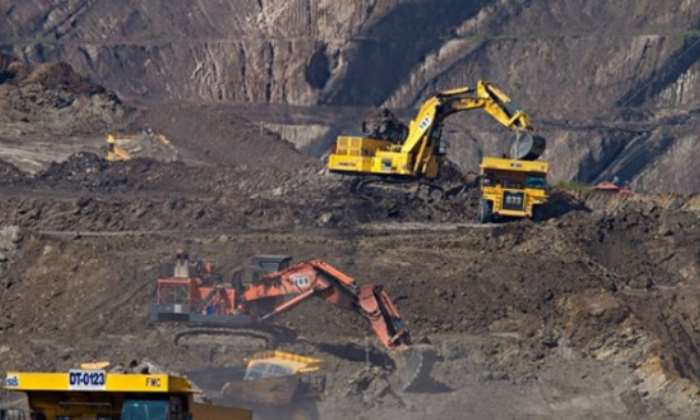
For Niger’s military authorities, the direction is clear: by rescinding mining concessions and asserting greater control over gold and oil resources, the government intends to increase national revenues and strengthen economic sovereignty.