

Officials from Uganda and Egypt have expressed alarm over rising economic pressures across Africa as the ongoing Iran conflict continues to unsettle global energy markets and push up food costs.
In Cairo, Uganda’s State Minister for Foreign Affairs, Henry Oryem Okello, held talks with Egypt’s Foreign Minister, Badr Abdelatty, to evaluate the broader consequences of the crisis. During a joint press conference, both emphasized the mounting challenges faced by African nations heavily dependent on imported fuel.
The tensions escalated after extensive airstrikes conducted by the United States and Israel on Iranian targets in late February, prompting retaliatory attacks on oil and gas facilities across the Persian Gulf. Shipping disruptions through the Strait of Hormuz have sharply increased global oil prices, intensifying inflationary pressures worldwide.
Egypt, home to over 108 million people, is among the most affected. The country imports roughly $20 billion in petroleum products annually and relies on foreign supplies for about 28% of its gasoline and 45% of its diesel consumption.
Abdelatty highlighted the gravity of the situation, noting that surging energy costs are already straining domestic stability. In response, the government has introduced early closing hours for shops, restaurants, and cafes nationwide to curb electricity usage, representing a significant adjustment to Egypt’s traditionally lively night-time economy.
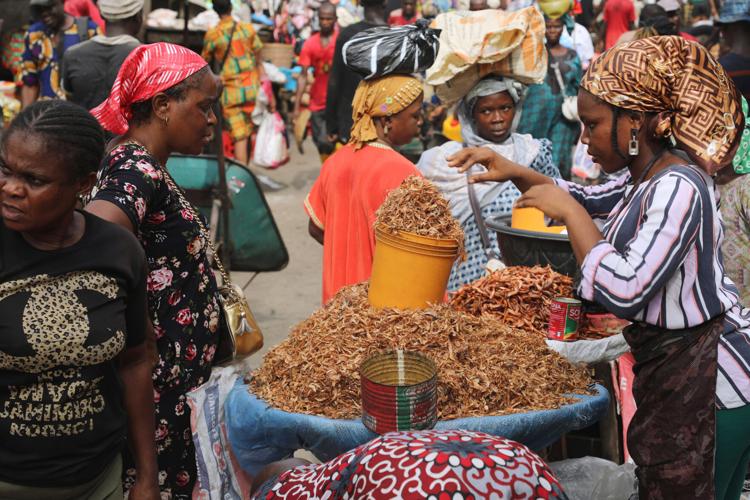
The ministers also cautioned that higher fuel prices are feeding into broader inflation, particularly in food markets, where transportation and production costs are closely linked to energy expenses. This development poses serious risks for vulnerable populations across the continent.

Despite these challenges, Abdelatty reiterated Egypt’s dedication to regional cooperation, affirming ongoing support for water infrastructure projects in Uganda and the southern Nile Basin, including dam construction to enhance long-term resilience.
The dialogue reflects growing concern among African leaders that external geopolitical conflicts are increasingly shaping the continent’s economic trajectory.