
The Cameroonian authorities have finalised the purchase of French banking group Société Générale’s controlling interest in its local subsidiary, in one of the most significant state-led banking acquisitions in Central Africa in recent years.
As part of the deal, the government acquired the 58.08% stake previously held by Société Générale, raising its overall shareholding in the bank to 83.68%.
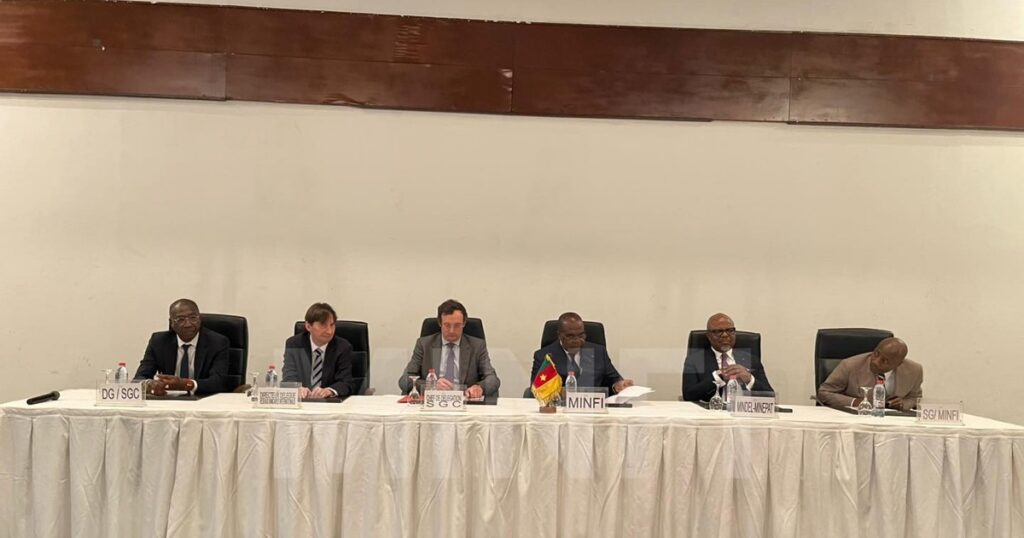
The transaction was officially wrapped up on May 12, 2026, during a ceremony led by Cameroon’s Finance Minister Louis Paul Motaze, together with Minister Delegate to the Ministry of Economy Paul Tasong and delegates from the Société Générale Group.
Following the completion of the acquisition, the institution has been rebranded as General Bank of Cameroon.
According to Cameroon’s Ministry of Finance, the new name reflects a broader ambition to develop a “modern, competitive and inclusive banking institution” aligned with national development priorities.
Officials further indicated that the restructuring aims to safeguard financial stability, preserve public trust, and guarantee continuous banking operations without disruption.
The purchase agreement was originally signed on July 15, 2025, valued at CFA129 billion including taxes—approximately $230.8 million based on prevailing exchange rates.
With this arrangement, the Cameroonian state becomes the principal shareholder in the country’s second-largest bank, while SanlamAllianz continues to hold a 16.32% minority stake.
Government sources have, however, suggested the current ownership structure may be temporary. They describe it as a transitional setup intended to facilitate Société Générale’s exit while leaving space for potential future strategic investors.
The development aligns with a broader trend of European banks scaling down their presence in African markets due to stricter regulations, higher operating expenses, and evolving global business strategies.
Over recent years, institutions such as Standard Chartered and BNP Paribas have also reduced their footprint across parts of the continent, with local investors and governments stepping in to take over divested assets.
Société Générale has been steadily retreating from several African countries, having already sold operations in markets such as Congo, Chad, Equatorial Guinea, and Mauritania as part of its global restructuring plan.
For Cameroon, the acquisition deepens state involvement in the financial sector. The government already holds significant interests in institutions including Union Bank of Cameroon, NFC Bank, and Commercial Bank of Cameroon.
Financial analysts note that the long-term success of the takeover will depend on the government’s ability to improve efficiency, attract investment, and sustain confidence in a banking system that is central to economic activity across Central Africa.