

A major investment opportunity has been unveiled by Kenya as it seeks global partners to develop the resource-rich Mrima Hill in Kwale County. Valued at roughly $62.4 billion, the site is becoming increasingly important in the global competition for critical minerals.
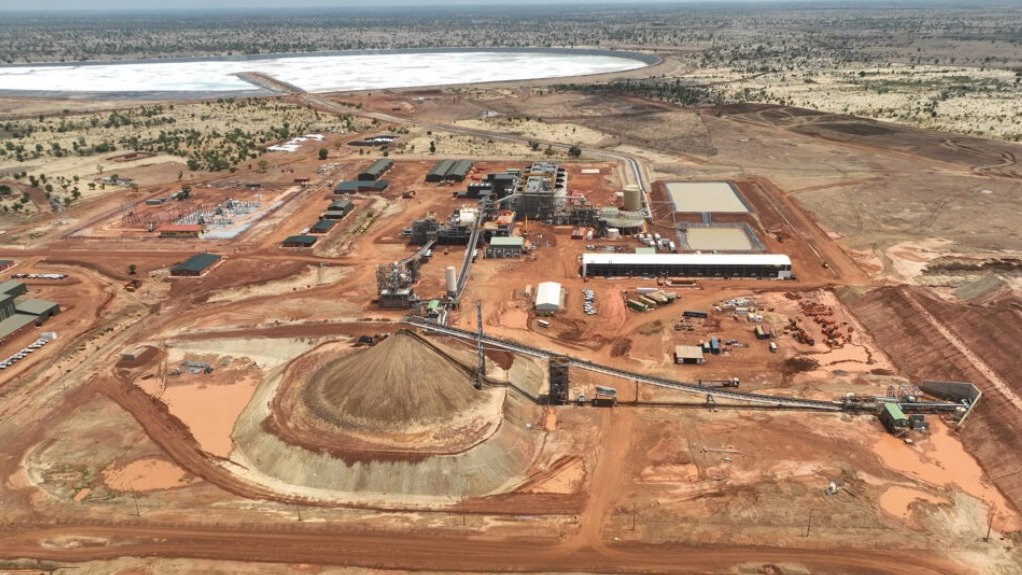
Through a gazette notice issued on March 24, Mining Cabinet Secretary Ali Hassan Joho called on qualified investors to submit expressions of interest to develop and commercialize deposits of niobium and rare earth elements key materials used in advanced electronics, renewable energy, and defense technologies.
Mrima Hill has attracted sustained global attention, with both the United States and China targeting the asset as part of a wider strategic battle over control of supply chains.
Officials from the United States have visited the location several times in recent years, advocating for value addition through local processing, while China responsible for about 90% of global rare earth processing has traditionally focused on extraction for export.
According to The Kenya Times, a 2022 geological survey identified five key minerals at the site: niobium, yttrium, thorium, strontium, and lanthanum.
Despite this, Ali Hassan Joho indicated that a comprehensive assessment to determine the commercial viability of the deposits is still pending.
“The Ministry of Mining, Blue Economy, and Maritime Affairs recently completed a nationwide airborne geophysical survey and now has updated radiometric and magnetic data covering the project area,” the notice further explained.
“This dataset and its resulting grids will serve as baseline geophysical information for the selected investor to carry out more detailed exploration.”
The renewed effort reflects Kenya’s rising profile as an attractive mining destination, supported by improved geological insights, clearer regulations, and increasing global demand for critical minerals.
Africa strengthens control over natural resources
Kenya’s strategy mirrors a wider trend across the continent, where governments are taking steps to secure more benefits from their mineral wealth.
Many countries are updating mining laws, enforcing local participation requirements, and encouraging in-country processing instead of exporting raw materials.
From lithium projects in Zimbabwe to cobalt production in the Democratic Republic of Congo, African nations are using the global energy transition as leverage to negotiate better deals and increase economic gains.
In Kenya’s approach, emphasis on value addition, environmental responsibility, and community involvement highlights a clear shift away from past extractive practices.
Authorities confirmed that the bidding process will follow the Mining Act and 2017 regulations, requiring investors to prove technical capability, financial capacity, and commitment to sustainable practices and local processing.
Interested firms must also collaborate with local communities and adhere to Kenya’s policies on state participation in strategic mineral projects.
As rivalry between major global players intensifies, Africa’s resource-rich countries are evolving from passive suppliers into key decision-makers influencing the direction of the global critical minerals market.