

South Africa has named seasoned negotiator Roelf Meyer as its new ambassador to the United States, in a deliberate effort to rebuild diplomatic relations that have been under strain following months of rising tensions.
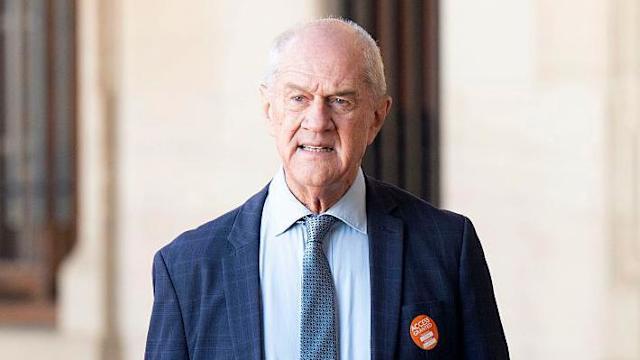
At 78, Meyer is widely recognised for his pivotal contribution to the talks that led to the end of apartheid in the early 1990s. His appointment is seen as a strategic decision by the administration of President Cyril Ramaphosa to rely on experience and credibility at a time when ties between the two nations remain delicate.
The ambassadorial role in Washington has remained unfilled since March 2025, after US President Donald Trump expelled South Africa’s former envoy, Ebrahim Rasool, over comments that criticised the Make America Great Again movement.
At the time, US Secretary of State Marco Rubio labelled Rasool a “race-baiting politician” who “hates the US and Trump,” highlighting the depth of the diplomatic dispute.
Ties worsened further when Washington suspended most of its financial assistance to South Africa. This followed Pretoria’s case at the International Court of Justice accusing Israel of genocide in Gaza, alongside domestic reforms aimed at addressing historical racial imbalances in land ownership.
Relations were further strained by a contentious US refugee programme focusing on white South Africans, whom Trump alleged were being persecuted claims strongly rejected by South African officials.
Within this context, Meyer’s appointment signals a shift in strategy. Once a minister under the apartheid-era National Party, he later played a key role in the transition to majority rule, collaborating with negotiators from the African National Congress, including Ramaphosa.
His later decision to join the ANC in 2006 reinforced his reputation as a unifying figure bridging South Africa’s divided history and its democratic era.
The South African government indicated that Meyer will take up his duties in Washington once all diplomatic procedures are finalised.
Observers believe his extensive experience in complex negotiations makes him well-suited to manage the evolving dynamics of US–South Africa relations, especially as shifting geopolitical interests and internal political pressures continue to challenge long-standing alliances.